Get Full Government Meeting Transcripts, Videos, & Alerts Forever!
Get email alerts on the Stadium Negotiations topic
No spam. Unsubscribe anytime.
Hillsborough County to continue talks with Rays on proposed Tampa Bay ballpark; commissioners request more analysis
Summary
The Hillsborough County Commission voted unanimously to continue discussions with the Tampa Bay Rays on a proposed ballpark and mixed‑use development at Hillsborough College, directing staff to seek a financial framework and return with independent analysis. Commissioners warned that funding, voter intent on CIT dollars and credit impacts must guide further work.
Hillsborough County commissioners voted Feb. 4 to continue negotiating with the Tampa Bay Rays’ ownership to determine whether a framework for a new ballpark and surrounding mixed‑use development can be agreed upon.
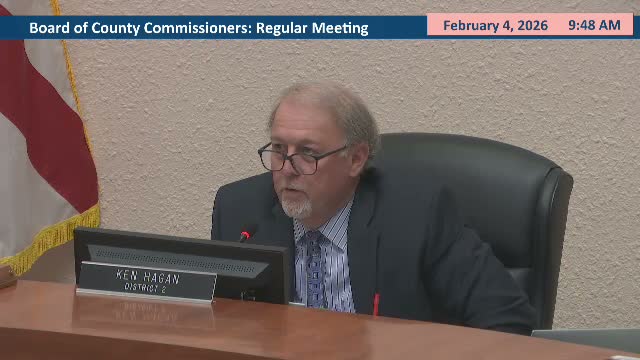
Chair Ken Hagan framed the vote as an early, transparent step: the county is awaiting additional information from the team, will commission independent validation of economic projections (AECOM was named as the consultant), and — if a term sheet emerges — present it for formal consideration by the board and required approvals by the city and Tampa Sports Authority.
“The team has floated the cost of the ballpark. It will be in the $2,300,000,000 range,” Hagan said, adding that the broader mixed‑use development could bring $8 billion to $10 billion in private investment. He described the preferred site as Hillsborough College and said the team has a sense of urgency to meet a 2029 timeline.
Why it matters: Commissioners said the proposal could be transformational for Drew Park and spur job creation, hotel nights and tax revenue, but they stressed the county will not proceed without rigorous, independent financial analysis and protections for voter‑directed funds.
Several commissioners flagged possible risks. Commissioner Wustel and others recalled prior public assurances that the CIT (a tourist/visitor tax renewal) would be used primarily for public safety, infrastructure and existing facilities; Wustel urged the board to confirm whether CIT dollars could be used for new professional sports facilities and to preserve voter intent. Commissioner Bowles asked staff to ensure any bonding would not jeopardize the county’s credit or core commitments such as fire stations. County administrator Bonnie Wise said staff would evaluate financing options and maintain credit‑rating safeguards.
Hagan emphasized the county’s approach: verify the team’s projections through independent study, develop a financial framework, and — only if a term sheet is reached — negotiate contract language and present it to the board for a formal vote. He also noted city and Sports Authority approvals would be required.
The board’s action: The motion to continue discussions and direct staff to report back carried 7–0.
Next steps: Staff will collect additional information from the team, complete independent economic and fiscal‑impact analyses, and return to the board with a proposed framework and any recommended term sheet for consideration. If a term sheet is agreed, further approvals from the city of Tampa and the Tampa Sports Authority will be necessary.