DNR proposes longer raccoon-dog training season, expanded hog hunts and new WMA openings; committee advances regs
Loading...
Summary
The South Carolina Department of Natural Resources told the committee it wants to extend raccoon dog training to nine months on most lands, expand hog hunting seasons on 12 WMAs, and open seasons on two new WMAs; senators raised safety and habitat concerns and the committee voted to move the package to the floor.
Billy Dukes, chief of wildlife at the South Carolina Department of Natural Resources, presented regulatory changes (doc. 5,441) that would extend the raccoon dog training season from five-and-a-half months to nine months on most lands (excluding National Forest lands), expand hog hunting seasons on 12 wildlife management areas and establish seasons on two newly acquired WMAs.
Dukes identified the substantive items in the proposal and said DNR aims to balance recreational opportunity with population-control needs. On hogs, he told senators that recreational hunting often does not achieve eradication and that DNR supplements hunting with trapping, contract aerial gunning through USDA Wildlife Services, and targeted removal efforts.
Several senators raised safety and access concerns on popular dove fields, asking whether DNR could contract with local farmers to plant and maintain fields or institute draw hunts to reduce overcrowding. Dukes said DNR can and has used contracts in pilot projects and is exploring co-management arrangements but that identifying suitable lands can be difficult.
Senators also pressed DNR about low harvest rates at Bear Island — described during the hearing as averaging about two birds per hunter last season — and the condition of dikes. Dukes said Bear Island is high on DNR’s renovation plan, that DNR recently acquired a Marshmaster for work there, and that staff are reviewing hunt scheduling to reduce disturbance.
Committee members recommended better real-time reporting and referenced a Kansas model and a DNR dashboard; Dukes confirmed DNR has waterfowl harvest numbers and an app/dashboard available and welcomed further suggestions.
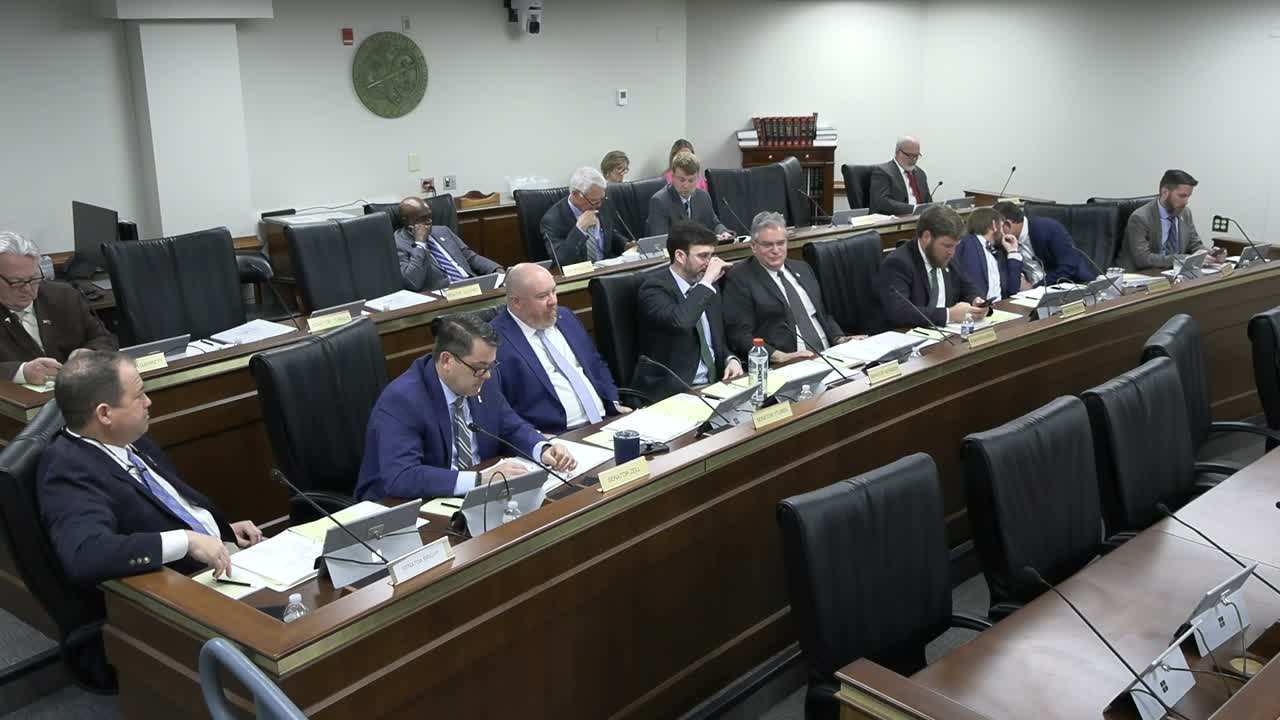
A motion to favorably report the WMA regulations was made and seconded; the committee unanimously voted to advance the package to the Senate calendar.
What’s next: The regulation package will sit on the Senate calendar; senators and DNR staff said they will continue to evaluate hunt schedules, dove-field options and habitat repairs, and will follow up if stakeholders identify specific parcels for co-managed dove fields.