Lifetime Citizen Portal Access — AI Briefings, Alerts & Unlimited Follows
Selma council tables ordinance setting high fees for unaltered dogs and cats, seeks spay/neuter funding
Loading...
Summary
Council reviewed a resolution that would set new fees for unaltered dogs and cats (proposed $100 annual unaltered-animal license; $380 breeding permit; altered license $10/$5 for seniors) but reached consensus to table implementation for three months while pursuing grants and low-cost spay/neuter and rabies clinics.
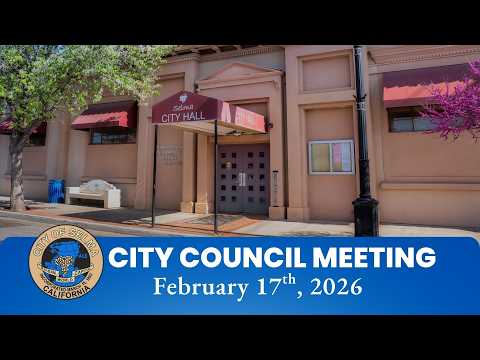
The Selma City Council on Feb. 17 reviewed a proposed ordinance and implementing resolution (described in staff materials as Resolution 2026-18R) that would expand licensing requirements to cats and set new fee levels for unaltered animals.
City Attorney explained the mechanics in the context of Selma Municipal Code chapter 2 of title 6, saying the new language makes the unaltered-animal licensing requirement applicable to both dogs and cats. The resolution as presented listed a $100 annual license for an unaltered dog or cat (with a delinquency penalty described as a 50% increase after March 31), a $380 permit for allowing an unaltered animal to breed, and fines for violations. The existing altered-animal license rate would remain $10 and $5 for seniors.
Multiple council members expressed concern about immediately implementing higher fees without first securing low-cost options for residents to comply. Councilmembers cited the cost of spay/neuter procedures and warned that steep fees could result in owners abandoning animals or increased shelter intake. In response, the city attorney and staff advised that the council may table implementation and pursue grant funding, and staff said the city’s grant writer is actively searching for relevant programs (staff mentioned a possible UC Davis grant in the $39,000–$41,000 range).
Public commenters raised practical enforcement questions. Theresa Salas asked whether owners retrieving impounded animals are currently required to buy a license; staff said practices have varied historically and that rabies-clinic/license coordination was typical in prior years. Rose Robertson, speaking as a private resident (and separately identified in the meeting as a BID applicant), described a longstanding TNR (trap-neuter-release) effort at the cemetery and said local TNR work needs more support.
Given the concerns, councilmembers directed staff to pursue grants and low-cost clinic options and reached consensus to table the fee implementation for three months to develop a spay/neuter/rabies clinic plan and a voucher mechanism tied to licensing. The council did not adopt new fees at this meeting.