Lifetime Citizen Portal Access — AI Briefings, Alerts & Unlimited Follows
Bill to ease sewer-backup claims draws sympathy from homeowners, resistance from municipalities
Loading...
Summary
Sen. Mike Moser’s LB 1171 would alter the Political Subdivisions Tort Claims Act to speed recovery for homeowners whose basements were flooded by sewer backups; homeowners testified to large personal losses while the League of Nebraska Municipalities and the Attorney General warned the measure would undermine sovereign immunity and conflict with existing tort timelines.
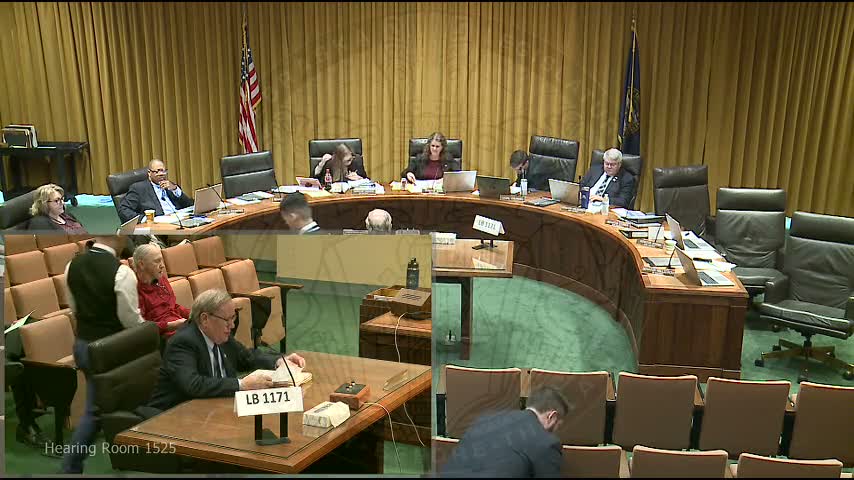
Sen. Mike Moser (District 22) introduced LB 1171 to address homeowner losses from sewer backups, saying constituents have faced significant damage and long delays seeking compensation under the Political Subdivisions Tort Claims Act.
Moser described constituent incidents in Columbus and elsewhere and said homeowners often pay cleanup costs while litigation and claims take years. "Who’s got the most money? Who owns the property where the sewer was? The city does," he told the committee, arguing the bill would help make homeowners whole while the city pursues fault determinations.
Several homeowners described flooding tied to construction activities and alleged contractor or oversight failures. Thomas Diessner and Alan Nedbalski gave detailed accounts of backflow events and reported aggregate damages; Nedbalski said his household’s loss totaled $227,161.
Municipal and state officials opposed the bill. Lash Chaffin of the League of Nebraska Municipalities testified that LB 1171 "just doesn't really work within the confines of how the Tort Claims Act works in Nebraska," outlined case law history, and warned the bill's timing provisions conflict with the Act's procedural structure. Phoebe Lures of the Attorney General’s office said the proposal represented "an erosion of sovereign immunity" and could expose political subdivisions and taxpayers to additional liability.
Senator Moser said he remained open to language changes and acknowledged the bill raised legal complications; he did not prioritize immediate floor movement without a workable amendment.
The committee did not vote; testimony highlighted victims' hardships and clear legal and fiscal objections from municipal and state counsel.