Lifetime Citizen Portal Access — AI Briefings, Alerts & Unlimited Follows
Refugee sponsors and service groups urge DHHS to seek SNAP waiver after HR1 eligibility changes
Loading...
Summary
Sen. Victor Rountree asked DHHS to apply for a federal waiver restoring pre‑HR1 SNAP eligibility for refugees and certain lawfully present immigrants; the hearing drew numerous personal accounts describing families losing benefits and food insecurity, and advocates pointed to USDA waiver flexibility and expected state fiscal implications.
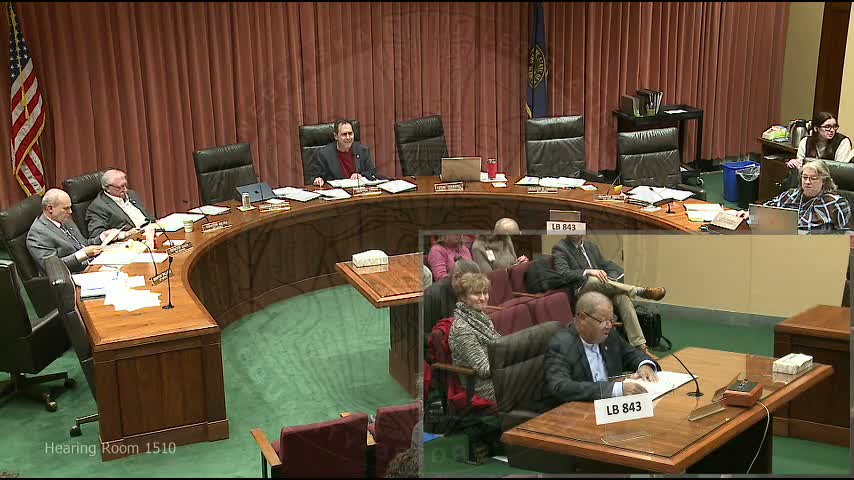
Senator Victor Rountree opened testimony on LB843, which would require Nebraska DHHS to apply for a federal waiver allowing the state to restore SNAP eligibility rules for refugees, asylees and certain humanitarian‑status visa holders to their pre‑HR1 form.
Advocates, refugee sponsors and service providers described immediate family hardship since HR1 changes began: Joanna Lindbergh and other volunteers testified about families forced to travel out of state for medical access or to move in together because SNAP benefits were terminated; Nebraska Appleseed (Eric Saviano) presented data the organization said show a drop of roughly 14,000 SNAP participants statewide during 2025 and cited DHHS estimates that 10,000 Nebraskans have already lost benefits with more at risk.
Testimony highlighted specific cases — including a large Afghan family and a medically complex child — and nonprofit representatives said local food banks and refugee‑service programs are stretched thin. Supporters argued USDA has broad waiver authority and pointed to the phased implementation (new applicants screened starting Oct. 20, existing enrollees reviewed at recertification windows). Several speakers said the waiver process can be used to preserve benefits for vulnerable groups while allowing states to craft safeguards such as work requirements.
Senators asked about fiscal mechanics, quality‑control error rates and whether other states have sought similar waivers; proponents said they had not found a state that had yet filed but urged Nebraska to move quickly. The committee received broad public support in person and online; no committee action was taken at the hearing.