Real-estate, title groups back bill to free clear title when support payers are current
Loading...
Summary
LB1139 would prevent automatic support liens from blocking property transfers when an obligor has been current for a documented period (12 months or the order's term if shorter); realtors and title agents warned existing practice disrupts closings and forces costly court actions, while the State Bar urged caution because liens secure future child support obligations.
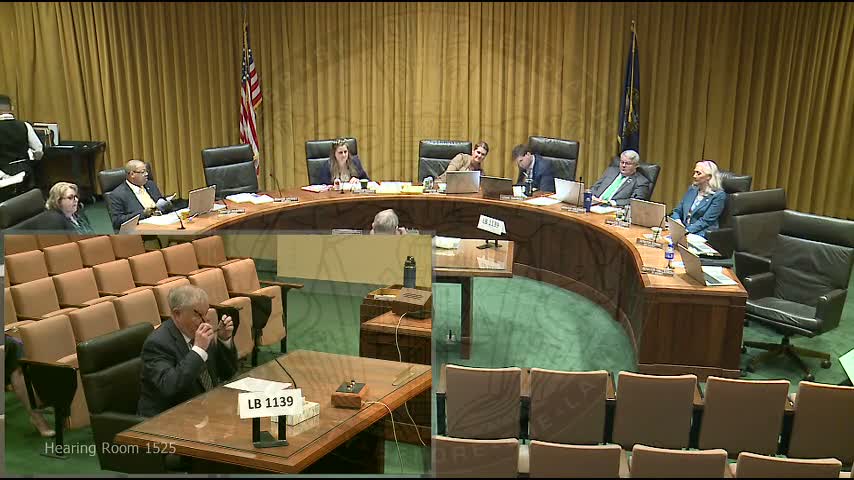
Sen. Bob Hallstrom introduced LB1139 to change Nebraska’s unusual approach to child- and spousal-support liens so that a property does not remain encumbered when the payer is demonstrably current. Hallstrom said current law treats every future payment as a lien dating back to the judgment date, creating a barrier to sales and refinances even when payments are up to date.
Proponents from the Nebraska Realtors Association, title agents and escrow officers described repeated delays and out-of-pocket costs when ex-spouses refuse to sign notarized releases despite payment histories showing the obligor is current. Korby Gilbertson and Miranda Wente said the bill would streamline closings by allowing a verified Title IV-D payment history or court record to serve as documented evidence of currentness — subject to the bill’s 12‑month safeguard.
The Nebraska State Bar Association opposed the bill in its current form, arguing the current lien structure is intended to secure future child-support payments to benefit children and that abruptly changing the rule could remove an important enforcement tool and upend expectations created by existing decrees. Bar representatives suggested additional guardrails and notice procedures to protect judgment creditors’ ability to secure substitute collateral when appropriate.
Senators and witnesses discussed the 12-month lookback, how proceeds should be applied to any remaining arrears, and whether the measure should include notice or bonding procedures for judgment creditors; the sponsor indicated some technical fixes and collaboration with stakeholders were possible.