
Tribes and lawmakers press for Medicaid §1115 waiver to reimburse traditional healing services
Get AI-powered insights, summaries, and transcripts
Subscribe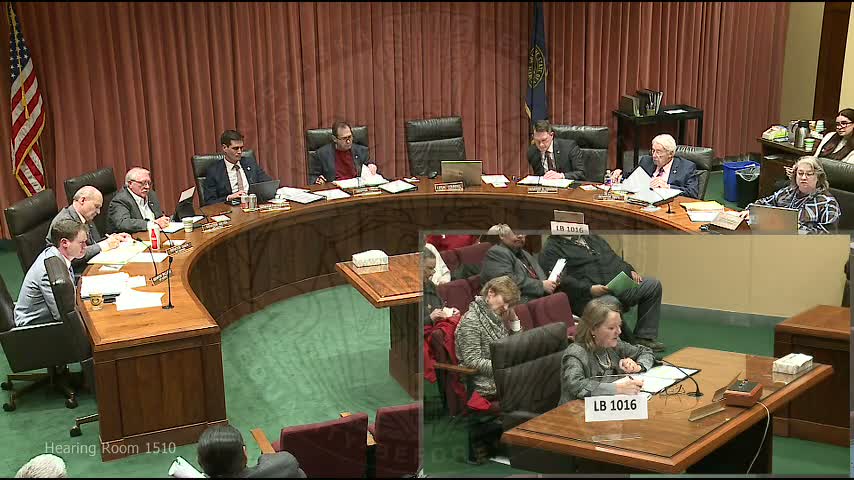
Summary
Sen. Jane Raybould asked the committee to direct DHHS to seek a CMS §1115 waiver so Medicaid can reimburse traditional tribal healing services; tribal leaders and the Commission on Indian Affairs gave examples of programs and cited early results from other states, while questions focused on cost estimates and the waiver process.
Senator Jane Raybould introduced LB1016, which would direct the Nebraska Department of Health and Human Services to submit a Section 1115 demonstration waiver to CMS to permit limited Medicaid reimbursement for traditional tribal healing services integrated with conventional medical care.
Raybould said Arizona, California, New Mexico and Oregon have received similar temporary waivers and framed LB1016 as a data‑driven pilot to document whether culturally grounded services improve outcomes and reduce downstream costs. She noted the fiscal note lists an annual per‑person cost estimate of $2,853 and said she had flagged uncertainty about that calculation.
Tribal leaders—including Coley Brown, chairman of the Winnebago Tribe of Nebraska—testified LB1016 is voluntary and honors tribal sovereignty; Brown described traditional healers, knowledge keepers and community natural helpers as complementary to clinical care and said integrated approaches have reduced reliance on crisis services in tribal settings. Cheyenne Robinson (Omaha Tribe treasurer) and other tribal representatives emphasized cultural relevance for retention in recovery, maternal health and prevention.
Committee members asked practical questions about how services would be defined, whether IHS or tribal programs already reimburse similar practices and how budget neutrality would be demonstrated for CMS. Raybould and testifiers said the waiver application would require tribe‑level definitions and data, and that the tribes would partner with DHHS on design and evaluation.
The committee heard broad support from tribal leaders and tribal affairs advocates, and the hearing concluded with a request that the committee consider prioritizing the bill so the waiver application process can begin.