
Bill to let mothers seek child support during pregnancy draws sharp pushback
Get AI-powered insights, summaries, and transcripts
Subscribe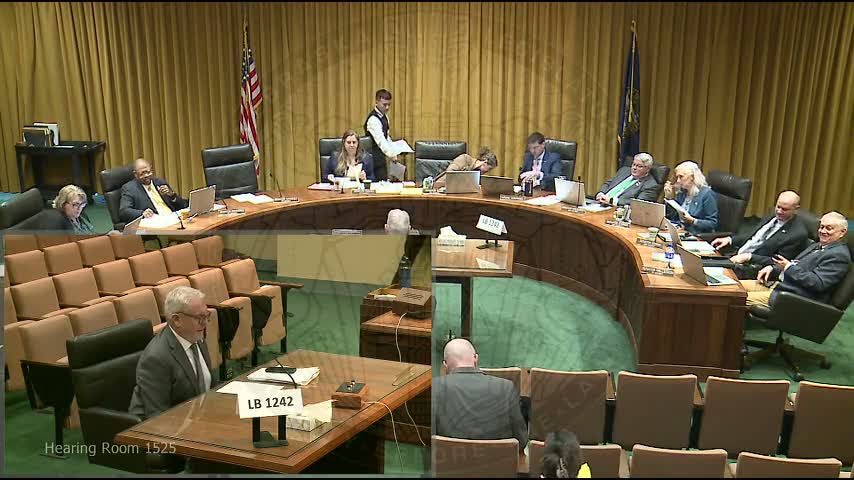
Summary
LB1242 would let mothers seek child support for prenatal expenses; backers called it common-sense help for families, opponents warned it risks embedding fetal-personhood language and could lead to state involvement in pregnancy decisions.
Sen. Dave Murman introduced LB1242, which would allow a mother to ask a court to establish child-support obligations that begin in the prenatal period. Murman said the change would help cover essential, pre-birth costs such as car seats, breast pumps and strollers and cited model laws enacted elsewhere.
Supporters included faith and family groups and the Nebraska Catholic Conference, which framed the proposal as a paternal responsibility measure. Elizabeth Nunneley of Nebraska Family Alliance called the bill both "pro-life and pro-family." Sponsor and backers pointed to noninvasive prenatal paternity tests available after roughly 7–10 weeks and said the statutory change could be retroactive if the mother preferred to wait until after birth.
Opponents — including the ACLU, Planned Parenthood, and other reproductive-rights groups — warned the bill could function as a vehicle to import a legal theory of fetal personhood into state code, with potential long-term consequences for reproductive and maternal health rights. The ACLU noted that statutes requiring cooperation with paternity actions (for public-benefit applicants) could engage state actors during pregnancy in ways that raise civil-liberties concerns.
Technical questions from senators probed when noninvasive paternity testing is available and how a supportive-payment calculation would interact with existing child-support guidelines; the committee did not take final action.