
Committee hears push to cap interest on medical debt and block home liens
Get AI-powered insights, summaries, and transcripts
Subscribe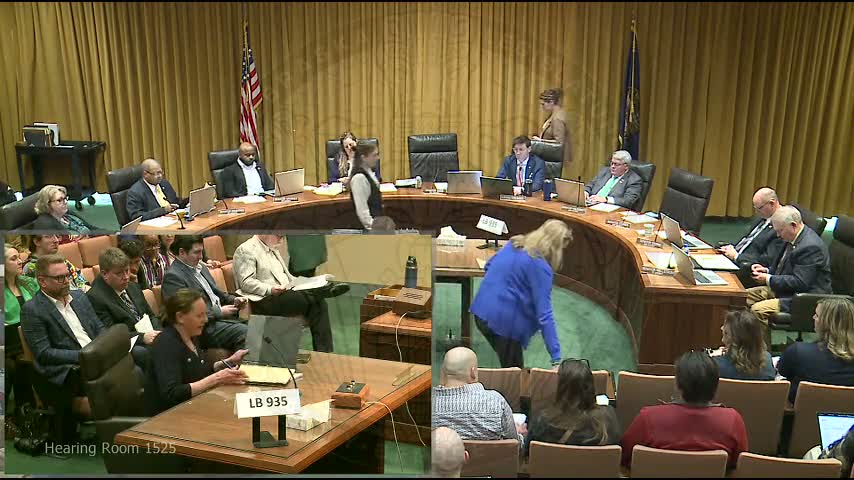
Summary
LB779 would cap interest and fees on medical debt and bar liens or foreclosure on primary residences for medical bills; proponents from patients, clinicians and advocacy groups said it would prevent financial ruin, while hospitals and collectors warned it could disrupt loan programs and Medicaid-related processes.
Sen. Danielle Conrad opened the hearing on LB779 by saying the bill would create guardrails to protect Nebraskans facing medical debt, including limiting excessive interest and blocking liens or foreclosures on primary residences paid solely for medical debt.
Multiple proponents described personal and clinical harms. Camie Bergman recounted her family's experience after her child’s nearly 800-day cancer treatment and said, “medical debt became a constant weight on my family.” Dr. Don Coulter, a pediatric oncologist, highlighted a state study showing caregivers face substantial material and psychological hardship and testified such protections could improve health outcomes.
Voices for Children, Nebraska Appleseed, AARP Nebraska, Nebraska Catholic Conference and other groups urged the committee to advance the bill to prevent families from losing homes over medical bills and to cap interest rates on patient balances. Witnesses cited data on coverage losses tied to federal changes and said minority and rural communities face disproportionate burdens.
Opponents, including a trade group for debt collectors and representatives of long-term care providers, said most hospitals do not charge interest at billing and warned a 3% cap could dismantle voluntary patient-loan programs in rural areas. Nursing-home advocates asked for carve-outs for long-term-care receivables tied to Medicaid spend-down processes, warning broad language could harm older Nebraskans.
Sponsor Conrad closed by saying she would continue technical talks with opponents and emphasized the bill targets rare but harmful foreclosure instances while preserving negotiation space for hospitals and banks.