
Hallstrom’s LB 969 would create searchable database of city and county finances; municipalities urge narrow look‑back period
Get AI-powered insights, summaries, and transcripts
Subscribe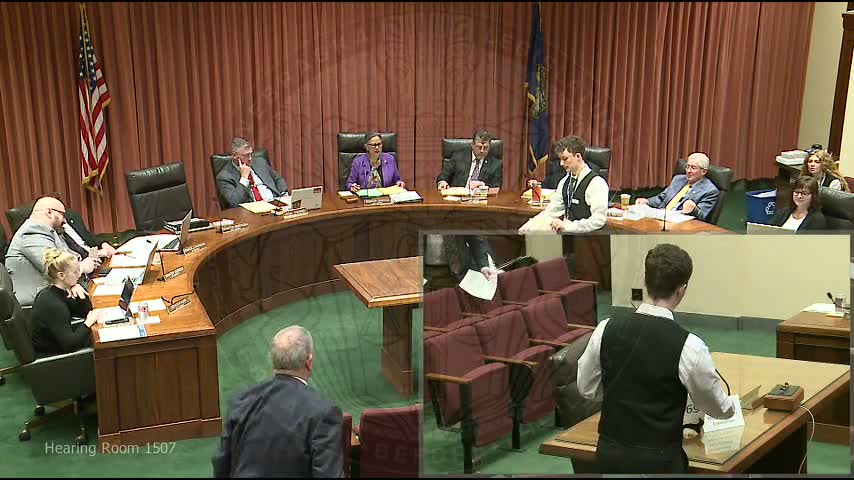
Summary
Sen. Bob Hallstrom's LB 969 would direct the auditor to build a centralized, searchable database of local governments' financial records; supporters said it would improve public access and comparison, while the League and some small municipalities asked for limited look‑back years and flexibility for villages.
Senator Bob Hallstrom introduced LB 969 to require the Auditor of Public Accounts to develop and publish a searchable online database containing financial information for counties, cities and villages based on audit reports. "The goal of LB 969 is to provide the public with one location where all financial records of counties and cities across the state can be found and readily navigated," Hallstrom said in committee.
Proponents described the bill as a modernization and transparency measure. Candace Meredith of the Nebraska Association of County Officials said the proposal would make it easier to access and compare local audit reports and could be implemented by building on existing audit records; Laura Abke of the Platte Institute said centralized, searchable data would transform raw reports into a usable accountability tool. Ryan McIntosh (Nebraska Bankers Association) said the database would save time for researchers and local officials.
The League of Nebraska Municipalities (Lynn Rex) offered a positive‑neutral position, supporting transparency but urging the committee and sponsor to address burdens on small jurisdictions and villages that often are not audited and that have limited record retention. Rex recommended working with the auditor to determine a realistic look‑back period (she suggested five years rather than ten in some cases) and called attention to villages with populations under 100.
Committee members questioned a fiscal note for the auditor's office; a staff estimate mentioned $290,000 and additional audit staff in the 2026‑27 biennium to build and maintain the system. Hallstrom said he would work with cities and the auditor's office on exceptions for villages and on the look‑back period before advancing the bill.
The hearing record lists 12 proponents and 3 opponents; no committee vote occurred at the hearing.