
Bill to give educators five paid mental-health days draws debate over mandate and costs
Get AI-powered insights, summaries, and transcripts
Subscribe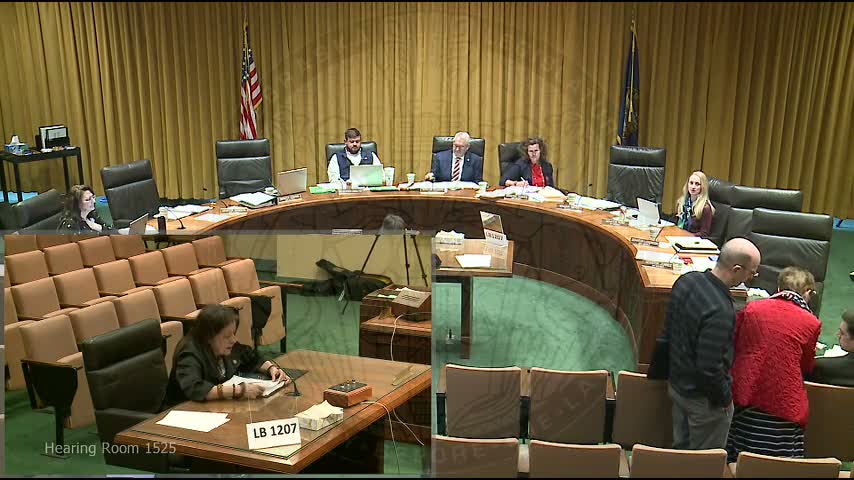
Summary
LB 1207 would require districts to provide five paid mental-health days yearly to full-time school employees without medical documentation. Supporters framed it as a workforce stabilization and retention tool; opponents called it an unfunded mandate with potential substitute and budgetary impacts.
Sen. Margot Juarez introduced LB 1207 to provide five paid mental-health days per fiscal year to full-time school employees, usable without a doctor’s note. The sponsor framed the measure as a workforce-retention strategy to reduce burnout and absenteeism.
Proponents included teacher unions, school associations and education leaders, who argued leave access is a top non-salary priority for educators, that preventive leave reduces long-term absences and turnover, and that the policy treats mental health as legitimate medical time. Tim Royers (NSEA) and multiple local education leaders said the provision could be implemented within existing employment structures.
Opponents—NERCSA and the Nebraska Association of School Boards—called the bill an unfunded state mandate that would impose substitute and payroll costs on local districts, which are not accounted for in the state budget; estimates provided during testimony gave examples where one midsize district might face roughly $50,000 to $53,000 additional costs if many teachers used substitutes simultaneously. Opponents urged negotiation at the local bargaining table instead of a statutory mandate.
Committee members pressed on details such as whether leave accrues, interaction with existing PTO and sick-leave banks, and substitution challenges. Sen. Juarez said she is open to adjustments and stressed the policy’s role in addressing educator mental-health needs. The hearing closed with online records listing 22 proponents and 24 opponents.