Get Full Government Meeting Transcripts, Videos, & Alerts Forever!
Get email alerts on the Comprehensive Plan topic
No spam. Unsubscribe anytime.
Planning Commission approves comprehensive land-use plan; council highlights affordable housing pipeline
Summary
City Planning Commission approved a long-awaited comprehensive land-use plan; Council member Dish told the council the plan reflects broad resident engagement and that more than 1,200 affordable units are currently in development funded by the city's affordable housing millage.
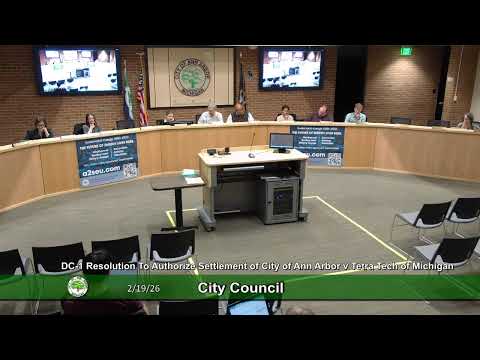
The City Planning Commission approved the comprehensive land-use plan, council members told the Ann Arbor City Council on Feb. 19, concluding a multi-year public process that drew extensive public comment.
Council member Dish said the commission's approval followed a meeting where more than 50 people spoke and emphasized that residents care deeply about the city's future. Dish stressed that the city must be clear about its limits and achievements: while Michigan law limits the city's ability to require private developers to include affordable units, the city has pursued other tools, including dedicating nine city-owned parcels and using the affordable housing millage to support projects.
Dish said "there are so far over 1,200 units in process in the process of development funded by the affordable housing millage," and noted two of those projects are on city-owned sites with others as public-private partnerships. Dish said the millage funds became available in 2021 and the city is moving quickly to deliver units.
Councilors lauded the public process and reiterated the city's continuing work on housing and infrastructure planning. The Planning Commission approval moves the comprehensive plan forward as the city addresses growth, missing-middle housing needs and infrastructure implications.
What happens next: the council and staff will use the approved plan to guide zoning, capital investments and requests to developers, while continuing to monitor the affordable-housing projects already underway.