Lifetime Citizen Portal Access — AI Briefings, Alerts & Unlimited Follows
Nebraska senators debate tougher fentanyl-trafficking penalties as amendment to LB795 advances to the floor
Loading...
Summary
Lawmakers spent hours debating AM2092, a floor amendment to LB795 that would align fentanyl trafficking penalties with existing weight-based thresholds for meth, heroin and cocaine. Supporters called fentanyl uniquely lethal; opponents warned the amendment could produce disproportionate mandatory penalties and worsen prison overcrowding. The amendment was offered and debated but not finally decided before adjournment.
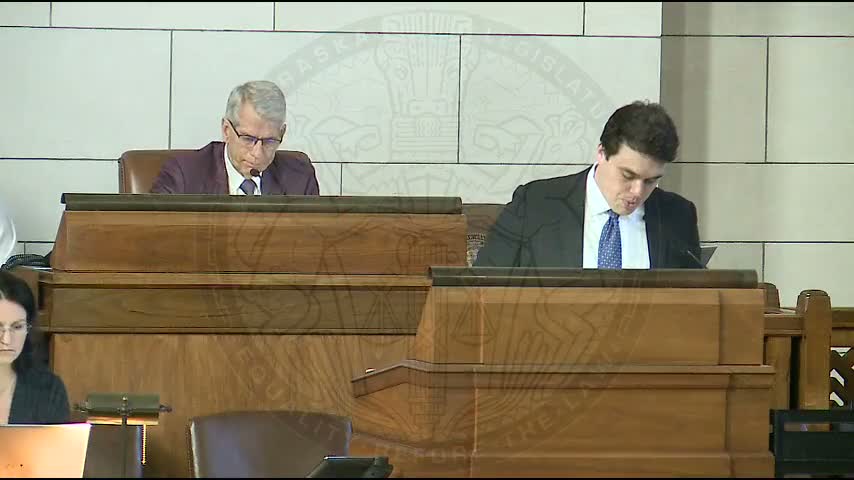
LINCOLN, Neb. — Nebraska senators spent the floor session arguing over a proposed change that would make fentanyl trafficking punishable under the same weight-based thresholds now used for methamphetamine, heroin and cocaine.
Senator Teresa McKinney, a leading critic of the amendment, urged colleagues to produce evidence that sentencing enhancements reduce crime and warned of fiscal consequences. “Iam just waiting for somebody to stand up with the data that shows these enhancements do the job,” McKinney said, arguing longer mandatory sentences would increase the statecorrections bill and reduce funds available for property-tax relief and services.
Supporters, including Senator Storer, who offered amendment AM2092 to LB795, said the change simply brings fentanyl into statutory alignment with other dangerous drugs. “This is about alignment and consistency,” Storer said on the floor, adding the amendment applies “the same structure, the same thresholds, the same mixture language” already used for state Schedule I and II drugs.
The debate centered on three questions: whether fentanyl is so lethal it requires distinct treatment; whether the amendment would genuinely target high-level traffickers rather than users; and whether tougher penalties would be proportionate or would deepen Nebraskaprison overcrowding.
“Two granules of sugar is what is an amount of fentanyl that will kill you,” said a senator supporting the amendment to underscore fentanyl's lethality and justify stronger trafficking penalties.
Opponents such as Senator Conrad and Senator Dungan argued the amendment as written could produce life or extreme top-range penalties for trace or residue amounts, possibly capturing mixtures in which fentanyl is only detectable and not the predominant substance. “A trace amount of fentanyl under Senator Storrs' amendment can trigger a potential life sentence. That's not right,” Conrad said, adding that proportionality and intent should guide sentencing.
The session also included several procedural motions. Senators repeatedly called the question to halt debate and took multiple roll-call votes. The presiding clerk recorded a roll call on a request to cease debate that the body passed 26–12. Later motions to reconsider and to recommit the bill to committee failed on roll-call votes, and the amendment AM2092 was formally offered by Senator Storer and debated on the floor.
Lawmakers on both sides raised concerns about treatment capacity and prison staffing. Senator Duncan and others cited state reports and past consultant findings that Nebraska's prisons are overcrowded and face staffing shortages, and warned that raising mandatory minima without increasing treatment capacity would deepen those strains.
Senator Conrad offered a competing floor amendment (FA980) intended to limit the top-end and give the body a more moderate sentencing structure for trace amounts; proponents and opponents debated that option during floor debate.
By the time the clerk called committee reports and other routine items, the body had not taken a final floor vote on AM2092. The legislature adjourned and is scheduled to reconvene at 9 a.m. on Thursday, Feb. 19, at which point the amendment could return to the floor.
What happened: The floor advanced consideration of LB795 and AM2092; senators debated public-safety justifications, proportionality, sentencing ranges and fiscal impacts. Multiple procedural votes (calls of the question, motions to reconsider and recommit) were held; no final passage of AM2092 was recorded before adjournment.
What to watch next: Whether the Judiciary Committee (if recommitted) or the full body will take additional votes on AM2092 or adopt FA980 as a compromise, and whether proponents can point to research or data showing the amendmentdemonstrably reduces trafficking or overdose deaths without disproportionate collateral effects on incarceration and the state budget.