Get AI Briefings, Transcripts & Alerts on Local & National Government Meetings — Forever.
Debate on LR297CA centers on restoring voters’ final say when Legislature alters ballot laws
Loading...
Summary
LR297CA, a proposed constitutional amendment, would require voter confirmation when the Legislature amends laws enacted by initiative petition; sponsors and proponents argued it protects voter intent while critics and committee members pressed for clarity on how reconfirmation and implementation timing would work.
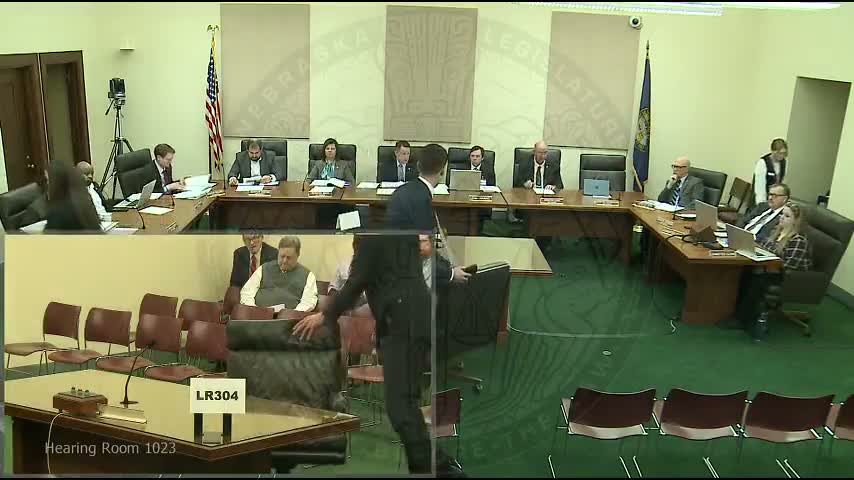
Senator Makayla Cavanaugh, who represents District 6, introduced LR297CA, a proposed constitutional amendment that would change when legislative amendments to voter‑enacted initiative laws take effect by placing those amendments before voters for confirmation.
Cavanaugh said the amendment would not remove the Legislature’s authority to amend voter‑enacted laws — the supermajority requirement remains — but would give the people the final decision on substantive changes. "If we change what the people pass, the people get the final say," she said.
Proponents told the Executive Board the amendment responds to a growing perception that the Legislature sometimes undoes or alters measures voters approved, eroding public trust. Spike Eichold of the ACLU of Nebraska said the proposal would balance the Legislature’s role with a final voter check and cited recent initiative activity and instances where lawmakers modified ballot‑approved measures. Christa Eggers of Nebraskans for Medical Marijuana testified that implementation of initiatives can be hampered by drafting constraints such as the single‑subject rule and that returning changes to voters could better preserve voter intent.
Committee members probed implementation details. Senator Fredericks asked whether a reconfirmation would appear on the next election ballot and whether that would be a special or general election; witnesses said the text would determine timing and that it might be placed on the next scheduled election. Senator Sarah Jacobson and others raised concerns that delaying implementation for up to two years could leave initiatives in limbo and make regulatory implementation difficult; witnesses acknowledged the tradeoffs between preserving voter authority and timely implementation.
Support and opposition were reflected in written submissions: the committee clerk recorded 47 letters in support of LR297CA and 9 in opposition. Senators and witnesses repeatedly said the amendment aimed to protect voter confidence in direct democracy while acknowledging unanswered questions about the mechanics of reconfirmation ballots and interim implementation.
The Executive Board heard multiple pro‑ponent witnesses and questions from members; no DHHS, executive branch, or neutral expert testified about legal or administrative costs associated with reconfirmation votes at this hearing. The resolution remains at the introduction/hearing stage pending any action by the executive board.