
Senate committee considers targeted excise on alcohol/tobacco retailers to fund community reinvestment (LB 8‑56)
Get AI-powered insights, summaries, and transcripts
Subscribe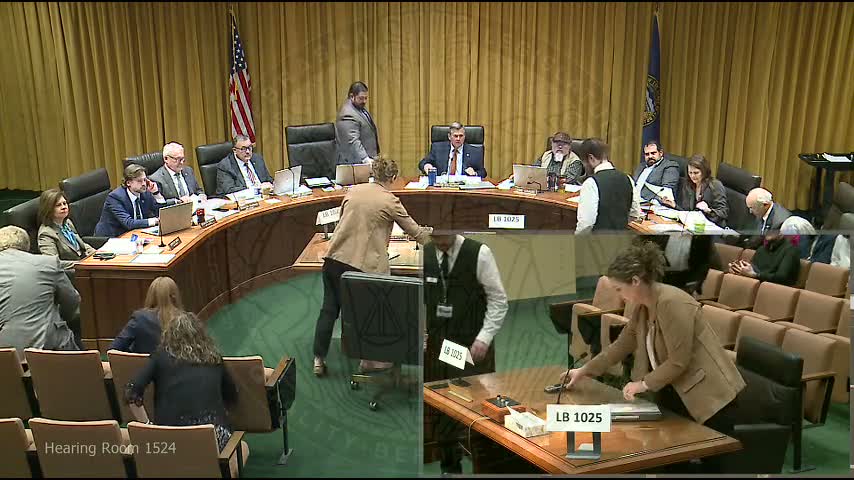
Summary
LB 8‑56 would authorize a 5% excise tax on gross receipts of gas stations, convenience stores and packaged liquor stores located in HUD qualified census tracts, with at least 70% of revenue required to be reinvested in the same tract for health, housing and prevention programs. Proponents framed the measure as place‑based public‑health reinvestment; opponents warned of regressivity, business flight and implementation complexity.
Senator Terrell McKinney introduced LB 8‑56, the Community Reinvestment and Equity Act, proposing a narrowly targeted 5% excise on gross receipts for certain covered businesses located within HUD‑designated qualified census tracts. Revenue would feed a community reinvestment fund and at least 70% of proceeds collected in a tract would be required to be reinvested back into that same tract for health centers, childcare, housing, workforce and violence prevention.
Supporters — including Heartland Family Service, the Nebraska Commission on African American Affairs, Project ExtraMile and students from affected neighborhoods — argued that high densities of alcohol and tobacco outlets concentrate harms in low‑income communities and that a place‑based excise would fund prevention and treatment without relying on general fund allocations. Witnesses cited public‑health research linking outlet density to higher rates of binge drinking, emergency visits and other harms.
Opponents (liquor wholesalers, industry groups, Platt Institute, business chambers) argued the tax is regressive because it is levied on gross receipts rather than profits, could drive businesses away from already underserved areas, and would likely be passed through to local consumers. Industry witnesses also pointed to existing excise taxes and voluntary contributions and recommended alternative local tools such as strengthening local licensing authority or special taxing districts.
Committee members probed assumptions about tax burdens (gross receipts vs. profit), projected revenue estimates, geographic targeting and constitutional questions about area‑based taxes. Senator McKinney defended the bill as a public‑safety and reinvestment measure intended to reduce long‑term state costs. The hearing closed after multiple proponents and opponents testified.