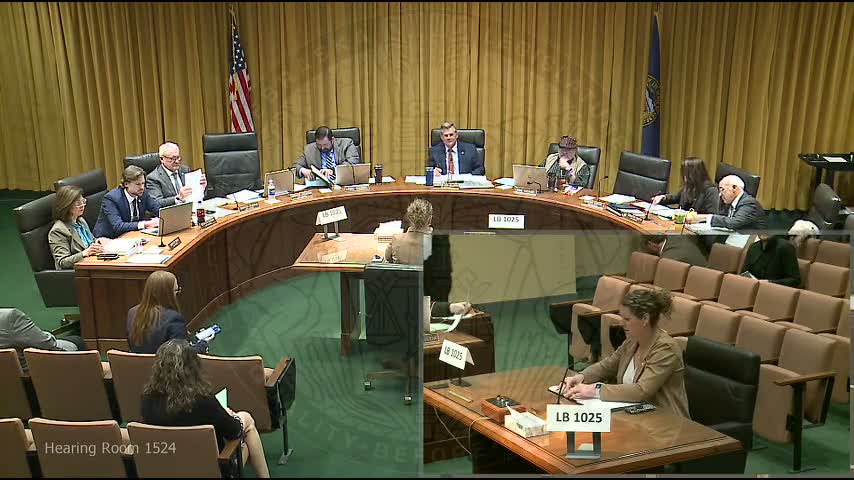
Revenue committee hears constitutional, economic and child‑welfare arguments over social‑media excise to fund juvenile mental health (LB 10‑25)
Loading...
Summary
Sen. Carolyn Bosn’s LB 10‑25 would levy a tiered excise on social‑media platforms based on Nebraska user accounts to fund juvenile mental‑health services. Proponents framed the levy as a funding stream for facilities and services; opponents — industry groups, chambers and privacy advocates — warned of constitutional and implementation obstacles that could invite litigation.
Senator Carolyn Bosn introduced LB 10‑25, proposing a tiered excise tax on social‑media platforms tied to the number of Nebraska consumers from whom platforms collect data monthly, with revenue dedicated to juvenile mental‑health programs, facilities and administration. The bill would exempt small platforms and create tiers designed to reduce burden on startups.
Supporters — including parents’ groups, child advocacy centers, faith groups and child‑welfare providers — linked social media design to youth mental‑health harms and said dedicated funding is needed to build more treatment capacity, beds and trauma‑informed services. Witnesses cited academic studies and surveys to argue for a strong correlation between youth social‑media use and increased anxiety, depression and other harms.
Opponents included NetChoice (industry legal counsel), the Platt Institute, the Nebraska Chamber and other business groups. NetChoice’s counsel argued the bill likely violates the federal Internet Tax Freedom Act by singling out online services, and raised First Amendment concerns citing Minneapolis Star Tribune and recent litigation (Moody v. NetChoice). Industry witnesses and small‑business advocates also warned the levy would raise costs for Nebraska small businesses that purchase targeted advertising and would create complex sourcing and privacy issues for platforms.
Committee members asked detailed questions about constitutionality, the bill’s sourcing methods (IP address, geofencing and account data), the practicality of identifying Nebraska users, fiscal estimates and proposed accountability/reporting for the juvenile‑mental‑health fund. The senator said she is open to guardrails, including reporting and oversight, and emphasized she would oppose shifting obligations onto schools.