Residents press Farragut officials on post‑office security and accuse town of coordinating Turkey Creek greenway reclassification
Loading...
Summary
Citizens raised mail‑security and neighborhood safety concerns and a resident alleged that town officials coordinated a reclassification of the Turkey Creek greenway to make eminent domain easier; town staff denied lobbying and said outside counsel and a legislator helped request an attorney‑general opinion.
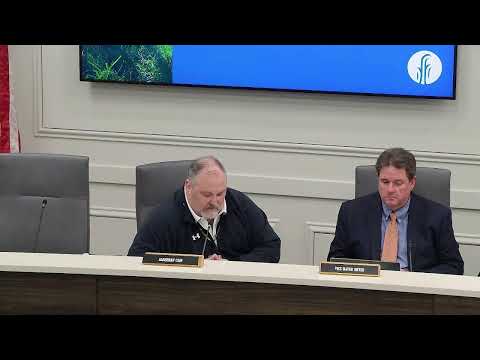
During the public‑comment portion of the Farragut Board meeting on Feb. 12, several residents urged action on public‑safety issues at the local post office and in neighborhoods, and one prominent commenter alleged that town officials coordinated efforts that prompted state legislation to reclassify a greenway in ways that could lower eminent‑domain thresholds.
Ralph Hawes, who identified himself as a resident of Andover Place, told the board he has been personally affected by recent incidents near the post office and asked whether the town could work with federal officials and the sheriff’s office to address surveillance or a satellite precinct. "We need to see more security and more presence of the Knox County Sheriff Department out here," Hawes said, and asked whether cameras cover parking‑lot areas.
Later in the citizen‑comment period, Kim Parks said Senator Richard Briggs "confirmed to me directly that the imminent domain bill has been withdrawn" and alleged a sequence of actions she said suggested coordination: hiring outside counsel, renaming the Turkey Creek Greenway project to the "Turkey Creek Multimodal Improvement Project," seeking an attorney‑general opinion and legislative conversations. Parks said that, in her view, the sequence "was coordinated" and that reclassifying greenways as transportation could lower the legal threshold for taking private property.
Town Administrator David Smoak and other staff denied evidence of improper coordination. Smoak said outside counsel helped draft a letter to the attorney general as part of a legitimate request (which must be made by a state legislator) and that the town did not lobby on its own behalf. He also said the attorney general later "backed out" after litigation was filed. Smoak urged continued engagement with the sheriff’s office on local presence and described solicitation permitting as a county process in some cases.
Board members acknowledged residents' safety concerns and said they would continue conversations with federal and county partners about post‑office security and patrol presence. On the Turkey Creek claim, staff said they would provide documents and explained that some outreach to state legislators is necessary to obtain formal AG guidance.
Next steps: staff offered to continue discussions with the post office and sheriff’s department and to provide records about outside‑counsel engagement and legislative contact to the public record if appropriate.