Get Full Government Meeting Transcripts, Videos, & Alerts Forever!
Get email alerts on the Personnel Policy topic
No spam. Unsubscribe anytime.
Board reviews updates to drug‑and‑alcohol workplace rule, tuition reimbursement and substitute reporting
Summary
District staff presented second‑reading/regulation updates including treatment of marijuana consistent with Delaware law, a new employee consent/testing exhibit, tweaks to tuition reimbursement timelines, and moving substitute reporting forms into an electronic frontline system; regulations and exhibits will be vetted through policy committee rather than an immediate board vote.
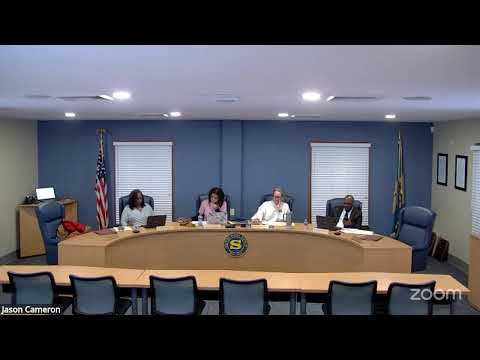
Mister Cameron presented several personnel policy and regulation updates at the Feb. 17 meeting, including the second reading of the GDC drug‑and‑alcohol‑free workplace policy and associated regulations. Cameron said the regulation was updated to reflect Delaware’s legal status for medicinal and recreational marijuana and that the update treats impairment by marijuana the same as impairment by alcohol for workplace purposes. He also described a new written consent/testing exhibit for employees suspected of impairment so there is a paper or electronic record of consent for testing.
Cameron noted regulations and exhibits are shared for board review and are not voted on in the same way as policies; he said the regulation had been reviewed with district counsel and the policy committee. The board did not take a separate recorded vote on the regulation itself during the public portion of the meeting.
Separately, district staff described changes to the tuition‑reimbursement process (GCPV), aligning reimbursement timing with academic calendars and confirming that participation is limited by available funding rather than an arbitrary head count. The substitute reporting exhibits will be retired in favor of electronic reporting through the district’s frontline substitute‑management system, and the part‑time employment policy received an administrative review with no substantive policy changes.
Board members asked how many staff typically use tuition reimbursement (responses estimated 12–20 staff depending on semester) and were told the process and funding levels are negotiated in the collective bargaining agreement; no board action was taken on these regulations at the Feb. 17 meeting.