Lifetime Citizen Portal Access — AI Briefings, Alerts & Unlimited Follows
Bill would bar civil immigration arrests at courthouses and within defined perimeters; committee debates scope and exceptions
Loading...
Summary
Senate File 36‑99 would protect parties, witnesses and court companions from civil immigration arrests while attending court and in specified courthouse areas; advocates said the measure preserves access to justice, while some members raised questions about scope, the 1,000‑foot radius, and effects on criminal defendants.
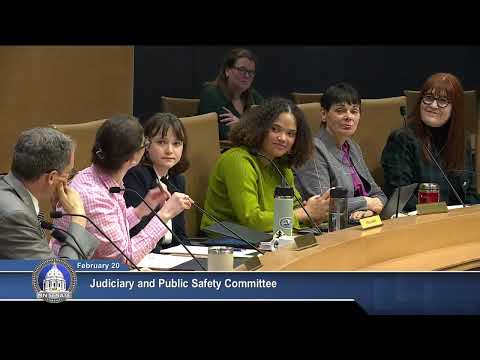
Senate File 36‑99 would bar civil immigration arrests (detainers, notices to appear and similar non‑warrant administrative actions) of parties, witnesses or court companions while they are going to, remaining at, or returning from court proceedings, and in enumerated locations (inside courthouses, on parking facilities, sidewalks and in public ways within 1,000 feet). The bill creates civil liability for violations and specifies that criminal arrests and arrests supported by judicial warrants are not affected.
Legal advocates and defense attorneys told the committee the bill preserves participation in courts and protects victims and witnesses — particularly people of color and immigrant survivors — from being deterred from seeking justice. “To deny a person a day in court is to deny justice,” Emmanuel Williams of the Legal Rights Center testified.
Opponents and questioning members raised several practical concerns: how the 1,000‑foot radius would operate in small towns where a convenience store or parking lot may be the only nearby public space; whether the bill could be read to shelter people who are accused of serious crimes; and whether the state has authority to restrict federal civil immigration enforcement in such locations. Counsel advised clarifying draft language (for example replacing “including” with specific limiting language) to ensure the enumerated locations are interpreted as the intended scope.
Committee action: Members adopted no substantive amendment at the hearing and laid SF36‑99 over; sponsors said they would consider drafting adjustments requested by counsel.
Why it matters: The bill aims to protect access to the justice system for immigrant communities and witnesses; legislators questioned trade‑offs between preserving participation and ensuring public safety and cooperation on criminal matters.
What’s next: Authors and counsel will refine language to clarify scope, exceptions for judicial warrants and the enumerated areas before additional hearings.