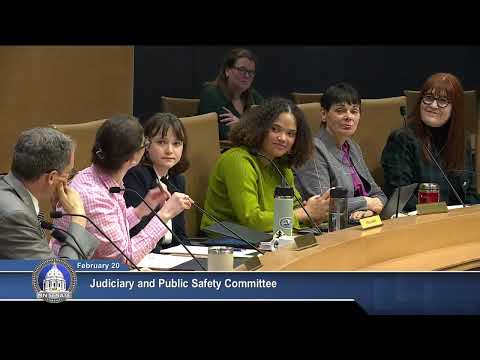
Committee considers law to require identification for masked officers and narrow exceptions for undercover or tactical roles
Loading...
Summary
Senate File 35‑90 would update Minnesota’s statute on concealing identity to require visible identification for officers (including federal agents) with limited exceptions for undercover operations and tactical situations; witnesses described being sprayed or harmed by unidentifiable agents.
Senate File 35‑90 seeks to clarify Minnesota’s law against concealing identity so it plainly applies in modern contexts where federal agents have operated masked and without visible credentials. Chief author Senator Port told the committee the bill preserves common‑sense exceptions — religious coverings, protection from smoke or toxins, medical reasons, and narrow undercover or tactical exceptions — while requiring identification in ordinary on‑duty interactions.
Testimony from civil‑liberties groups and community members recounted incidents in which masked federal agents allegedly used chemical irritants, forced entry, or otherwise engaged in conduct that victims said was impossible to investigate because agents were not identifiable. The ACLU’s John Beeler urged the committee to pass a clear, uniform rule so victims and lawyers can pursue complaints and investigators can verify officer identity.
A proposed amendment (A4) from Senator Holmstrom would have increased penalties for doxxing and broader dissemination of personal information; the chair and multiple witnesses, including the ACLU, raised First Amendment and fiscal concerns and asked for a separate, stakeholder‑driven approach. Senator Holmstrom withdrew the amendment and said he would draft a standalone bill with a fiscal note.
Why it matters: Supporters argue visible identification increases transparency and public safety; critics cautioned about overbreadth and potential unintended consequences. The bill was laid over for further consideration.
What’s next: Committee members asked for more drafting clarifications and stakeholder input; the bill will return for later hearings.