Get Full Government Meeting Transcripts, Videos, & Alerts Forever!
Get email alerts on the Public Health Funding topic
No spam. Unsubscribe anytime.
Navajo County public‑health director warns federal cuts have shuttered programs, cost staff and threaten local care
Summary
Navajo County Public Health Director Janelle Lynn told the Board of Supervisors that recent federal grant stop‑work orders and proposed Medicaid reductions have forced layoffs, halted programs (WIC, immunization outreach, health‑disparities work) and could reduce access to care for thousands of county residents; she urged supervisors to advocate and serve on distribution workgroups.
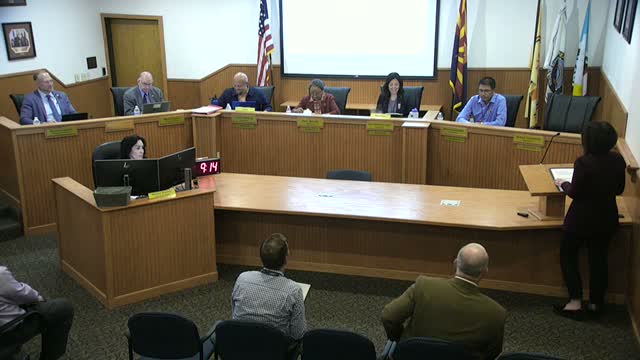
Janelle Lynn, Navajo County public health director, told supervisors that a series of federal stop‑work orders and restructuring actions this year have forced the county to cut programs and lay off staff, imperiling routine public‑health services and rural health‑care access.
"There are fundamental changes and continued uncertainty in public health," Lynn said during an extended presentation to the Board of Supervisors. She listed a string of federal actions she said filtered down to state and local programs — stop‑work orders on multiple grants, restructuring at Health and Human Services and the CDC, and a law she described as removing many public‑health programs — and said the net effect has been program suspensions and staff reductions.
Lynn told the board that one March 26 stop‑work order led to the loss of grant funding equal to $984,900 for the county and prompted a reduction in force that eliminated about 14% of her department (she said 7 positions were permanently lost from those impacted by that stop‑work order). She warned that expanded Medicaid cuts, described in the presentation as a $1 trillion national reduction, could affect an estimated 12,274 people in Navajo County and put roughly 1,408 local health‑care jobs at risk. Lynn also said the USDA SNAP‑Nutrition Education funding would end Oct. 1, affecting nutrition programs on tribal lands.
Those losses, Lynn said, have already forced the county to halt several core efforts, including health‑disparities work, community outreach liaison positions, parts of the public‑health emergency preparedness program, and some immunization clinic outreach. "We've had to let go of critical positions, including three public‑health nurse positions," she said, and cautioned that reductions could limit on‑site school immunizations, naloxone distribution and emergency‑planning exercises.
Lynn asked supervisors to help shape the county’s response: she requested advocacy with federal and state legislators, suggested desiloing federal and state public‑health funds to allow local flexibility, urged supervisors to apply to local and state workgroups forming to distribute rural health transformation funds, and asked the board to help communicate the value of public health to the community.
Board members responded with support. Vice Chair Weitzinger and other supervisors thanked Lynn and her staff and offered to press lawmakers on rural‑health protections and WIC and preparedness funding. County staff and supervisors also flagged cross‑system consequences; one supervisor noted reductions in public‑health services could increase demands on the criminal‑justice system and county legal offices.
The board did not take a formal funding action at the meeting; Lynn’s presentation concluded with a request for advocacy and partnership and the board voted to return to regular session.
Why this matters: County leaders say public health supports prevention, workforce stability and hospital operations in rural areas. Lynn’s numbers tied personnel and program cuts to concrete service losses locally and requested that elected supervisors join advocacy efforts and take seats on distribution workgroups to try to direct funds to local priorities.