Get Full Government Meeting Transcripts, Videos, & Alerts Forever!
Get email alerts on the Charter Scope topic
No spam. Unsubscribe anytime.
Residents urge stronger community‑plan protections; counsel outlines limits on charter power over RHNA
Summary
Public commenters asked the committee to amend Placer’s charter to strengthen community plans and to direct the county to challenge RHNA allocations; county counsel warned that RHNA and other affordable‑housing mandates are driven by state law and may be outside charter authority.
Residents and local special‑district representatives used the committee’s public‑comment period to press for charter language that would protect community plans and give the county stronger tools to contest state housing allocation numbers.
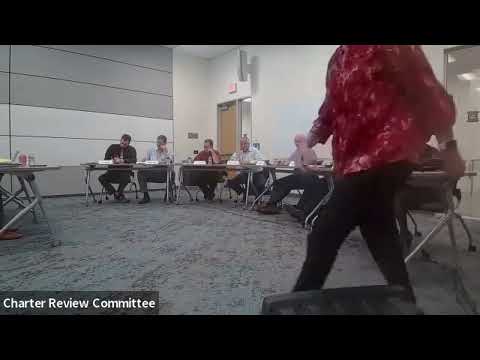
Don Adela, speaking at the meeting, said residents feel “powerless with preserving our way of life” and asked the committee to “amend the charter to give our voices more power” so community plans are more binding and protect small‑town character.
Online, Diane Luis Alessi of the Christian Valley Park Community Services District said she had urged the county to challenge the most recent RHNA allocation and reminded the committee that Placer’s charter is the county’s “baby constitution” and reflects home‑rule principles. “When you were reviewing this charter, you have to keep in mind that it is our baby constitution,” she said, urging the committee to require the county to challenge state numbers when there is “no proof” of their validity.
County counsel Clayton Cook acknowledged the public’s concerns but told the committee that RHNA and affordable‑housing mandates come from state law and, in several recent court decisions, have been treated as matters outside typical charter authority. Cook advised the committee to focus on governance and fiscal provisions that are within the California Constitution’s scope for county charters. He pointed to Article XI, Section 4 of the state constitution as the framework that defines what may properly be included in a county charter and offered an example of permissible local fiscal language: a court‑upheld charter requirement that a county allocate a percentage of locally generated, unrestricted general‑fund revenue to community investments.
The exchange framed two distinct lines of inquiry for the committee: (1) whether the charter can be used to strengthen community‑plan protections or the board’s ability to respond to state mandates, and (2) whether suggested remedies would survive statutory or judicial review. Committee members directed staff to research legal precedents and return with analysis of what the charter reasonably can and cannot accomplish.
The committee’s work plan and scheduled public hearings will include opportunities for further comment on these issues before any recommendation is forwarded to the Board of Supervisors.