
Conroe ISD board authorizes Special Education Parent Advisory Council (CPAC) after parent appeals
Get AI-powered insights, summaries, and transcripts
Sign Up Free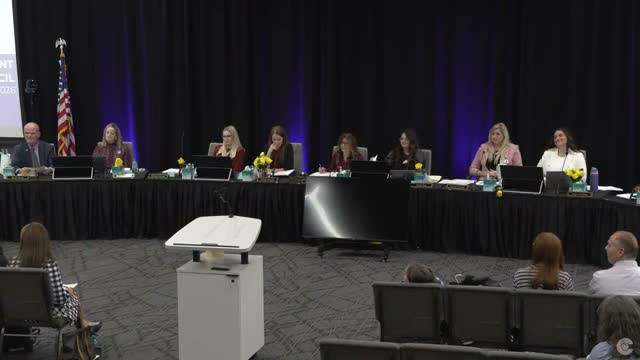
Summary
Trustees voted to authorize the formation of a board‑recognized Special Education Parent Advisory Council (CPAC) to formalize parent‑district collaboration for the district’s roughly 11,600 special education and 5,100 Section 504 students; the motion passed 6–0–1.
The Conroe ISD board on Feb. 17 authorized the superintendent to develop and implement a district Special Education Parent Advisory Council (CPAC), a board‑recognized advisory body intended to provide structured parent input on special education policy and district practice.
Dr. [first name withheld in transcript] Wiggins, the district’s special education lead, told trustees the advisory council will be advisory only, board‑recognized, and composed of board‑appointed parents representing feeder zones. The plan calls for quarterly public meetings, an annual report to the board, and a formal onboarding and bylaws package that staff will bring back before committee implementation.
Wiggins said the district currently serves roughly 11,603 special education students and 6,107 Section 504 students (about 23.8% of the district), and said CPAC would aim to move the district “beyond compliance toward a culture of inclusion and communication.” Metrics proposed for CPAC included parent engagement, trend identification and a district response summary.
Parents who addressed the board during public comment urged approval. Dominique McClellan, a Conroe ISD parent and former district special‑education teacher who leads a local advocacy group, said an organized CPAC is best practice and helps surface systemic trends before they become disputes. CPAC supporters argued formalized engagement improves transparency and outcomes for families and students.
Trustees discussed membership selection, appointment timing and safeguards to ensure the council would not substitute for case‑level dispute procedures. Trustee May urged that CPAC’s first formal task should be to draft policy that clearly defines the group’s scope and ensures sustainability; other trustees emphasized a long planning runway and clear communications with campuses about the application process.
After discussion the board approved authorization for the superintendent to implement CPAC by an uplift of hands; the tally recorded in the minutes was effectively 6 in favor, 0 opposed, 1 abstention.
Next steps: district staff will finalize bylaws, a recruitment timeline and administrative supports and return with an implementation plan and appointments for the board’s review.