Soledad council unanimously approves placing parcel‑tax measure on June 2 ballot with 3% annual cap
Loading...
Summary
The Soledad City Council voted Feb. 18 to place an annual parcel tax on the June 2, 2026 ballot that would raise about $1 million a year for fire and emergency medical services: $233 per single‑family home, $174 per multi‑family unit, and a nonresidential sliding scale. Council added a cap limiting annual increases to CPI or 3%, whichever is less.
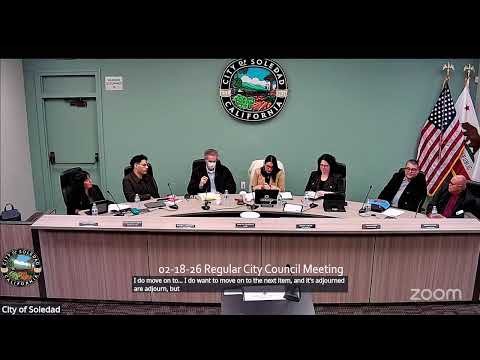
The Soledad City Council voted Feb. 18 to place a special parcel‑tax measure on the June 2, 2026 ballot to fund local fire and emergency medical services and shore up staffing and equipment.
City manager Megan presented resolution 63‑29 and told the council the measure was driven primarily by the need to increase staffing: "Right now... we only have two firefighters on duty at any time. This is below the national standard of three firefighters," staff said, and added that increasing to three personnel per apparatus would significantly affect patient survival and responder safety.
Staff proposed an annual parcel tax structured as $233 for a single‑family dwelling and $174 for a multi‑family unit, with nonresidential parcels charged a base between $99 and $134 plus $0.07 per square foot; staff estimated the measure would generate approximately $1,000,000 per year and confirmed funds would be dedicated to fire and 911 emergency medical services only and subject to independent audits and local oversight.
Jason Luckenbach, Soledad fire chief, explained the staffing math: "To have three people each day, that's a total of nine personnel," he said, noting the figure accounts for shift patterns and leave accruals. Chief Luckenbach said the $1 million estimate was calculated to fund a three‑person engine in the foreseeable future.
Public comment included a support statement from Sean Edwards representing CAL FIRE Local 2881, who said the union "strongly recommend[s] a yes vote" and offered partnership in outreach. Written commenter Lupita Arroyo Lozano urged voter protections and asked whether the homeowner amount would remain fixed; staff replied the base amount is fixed but the proposal includes an annual inflation escalator tied to CPI and council moved to cap annual increases at CPI or no more than 3% per year.
Mayor (presiding) moved to approve resolution 63‑29 with the modification to cap annual increases at CPI or no greater than 3% per year; the motion was seconded and carried unanimously. City attorney/staff noted that the cap requires edits to the resolution, related ordinance language and the ballot question, which must meet word‑limit constraints for the election ballot.
What the measure would pay for: staff said the levy is intended primarily for personnel (salaries and benefits) and also to replace outdated equipment and fund capital outlays for fire gear and apparatus; if revenues exceed personnel needs in a given year, funds can roll forward to capital purchases for the fire department.
Next steps: staff will revise the resolution, ordinance attachments and ballot question language to reflect the 3% cap and submit the measure for placement on the June 2, 2026 ballot. Voters will ultimately decide whether the tax is adopted.