Get Full Government Meeting Transcripts, Videos, & Alerts Forever!
Get email alerts on the Early Childhood Education topic
No spam. Unsubscribe anytime.
Presenter recalls civil‑rights childhood and urges investment in early childhood learning
Summary
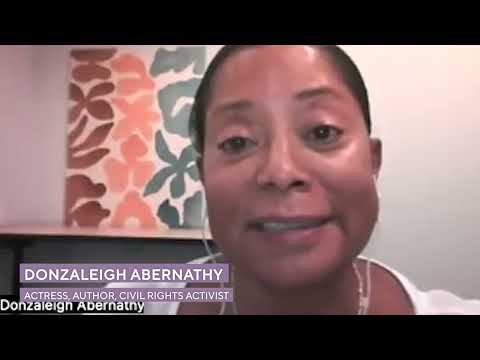
In a personal talk, an unidentified speaker described growing up amid civil‑rights violence and organizing, linked childhood trauma and hunger to learning outcomes, and urged early, sustained education and nutrition supports such as Head Start.
An unidentified speaker at a public presentation recounted growing up in the civil‑rights era and urged policymakers and caregivers to prioritize early childhood supports, including nutrition and high‑quality early learning.
The speaker, who opened by thanking the host Lorna, described family ties to central civil‑rights figures and organizations and said those experiences shaped her view of early childhood needs. She said her father helped establish a free meal program for low‑income schoolchildren and argued that “if children don't have nourishment, what they're thinking of once they're in the classroom is eating as opposed to learning.”
The talk combined personal anecdotes and policy implications. The presenter described a childhood in which segregation was explicit — citing a sign that read “Mexicans and Negroes stay out” — and recounted traumatic events including a bomb placed near her mother’s home while her mother was pregnant. She said she was born six months later “trembling,” and used that episode to illustrate how trauma can affect children long before they enter school.
She also highlighted the role of early education programs and teachers, noting her mother’s work as a Head Start teacher and saying, “my hats go off to all of the Head Start teachers.” The presenter described having helped found New Roads School in Los Angeles and teaching young children there, including the poet Amanda Gorman. She argued that exposing children to books, language and number concepts from infancy builds later academic success.
The speaker tied historical organizing to legal change, referencing the March on Washington and the Voting Rights Act and recounting an anecdote about President Lyndon B. Johnson signing the law and the involvement of his daughter, Lucy Bates Johnson. She credited integrated organizing, white allies and national attention for advancing civil‑rights goals.
Turning to contemporary concerns, the presenter contrasted early, book‑based learning with rising use of tablets, saying the ubiquity of devices can displace direct teaching: “They give the children the iPad... children are like sponges. And if you give them books and teach them at early ages, they will learn.” She closed with a direct appeal: “never underestimate children,” and thanked Connecticut and Lorna for the invitation.
The presentation did not include formal policy proposals, votes or actions; instead it offered first‑hand testimony linking historical trauma, child nutrition and early learning practices to long‑term educational outcomes. The speaker emphasized the role of caregivers, teachers and community supports in helping children overcome trauma and reach their potential.