Get Full Government Meeting Transcripts, Videos, & Alerts Forever!
Get email alerts on the Keynote Trauma Climate topic
No spam. Unsubscribe anytime.
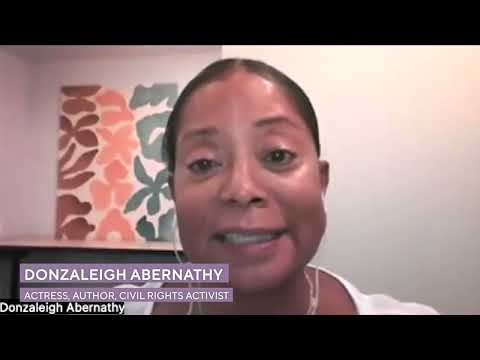
Donzaleigh Abernathy: children absorb trauma; nourishing, inclusive classrooms are essential
Summary
Keynote speaker Donzaleigh Abernathy told the Office of Early Childhood webinar that children carry the effects of adult trauma into classrooms, urged caregivers to ensure children are nourished and supported, and traced how civic and family actions shaped supports such as school meal programs.
Donzaleigh Abernathy, the webinar’s keynote speaker and the daughter of civil‑rights leader Ralph David Abernathy, used personal family history to make a practical argument for trauma‑informed, nurturing early‑childhood care. Speaking to attendees of the Office of Early Childhood’s webinar “Creating a Climate that Promotes Success for All,” Abernathy recounted bombings, arrests and the daily realities her family faced during the civil‑rights era and tied those experiences to what children carry into school.
“Children will take on the trauma of the adults,” Abernathy said, describing how wartime and racist violence left long‑term effects on her family. She urged educators and caregivers to focus on basic needs as a foundation for learning: “If children don't have nourishment, what they're thinking of once they're in the classroom is eating as opposed to learning.”
Abernathy connected those concrete needs to broader civic change, noting that some modern school supports grew out of civil‑rights era efforts: she described a free meal program for low‑income children and recommended adults model the behaviors they want children to learn. She also emphasized children’s agency and awareness: “Never underestimate children. They can't hear what you say from seeing what you do, and they're brilliant,” she said.
Her remarks threaded lived history into classroom practice: examples included early family literacy, classroom routines that model safety and belonging, and adults taking active roles in policy and community supports that affect young children. The keynote set the webinar’s tone by framing early‑childhood climate work as both practical (meals, routines, trauma supports) and civic (the need for adults and institutions to act to protect and nurture children).
The webinar continues with a video vignette and panel offering implementation strategies. The Office of Early Childhood noted the session was recorded and is available at ctoec.org.