
Bennington County state's attorney: home-improvement statute changes have reduced prosecutable fraud; recommends AG/consumer-protection referral
Get AI-powered insights, summaries, and transcripts
Subscribe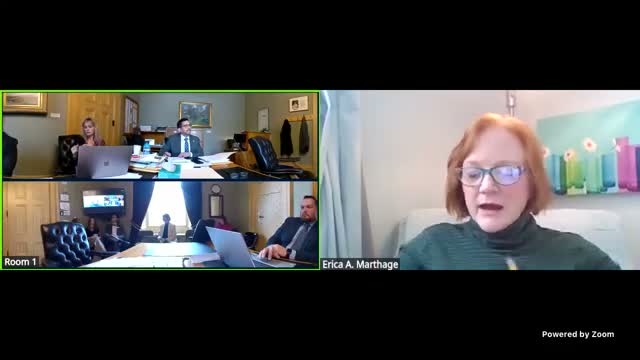
Summary
Bennington County State's Attorney Erica Marthage told the Judiciary committee that changes to the home-improvement statute have left many cases as civil contract disputes, making prosecution difficult; she recommended shifting appropriate matters to the attorney general's consumer-protection functions.
Erica Marthage, the Bennington County state's attorney, testified to the Judiciary committee about S.183 and its relationship to prosecutions under the home-improvement statute.
Marthage said changes to the statute over time narrowed the criminal focus and that many cases prosecutors now see are better characterized as contract disputes than crimes. "I decline a fair number of these cases that I get now because they really are contract disputes," she told the panel, adding that courts have questioned how the state is prosecuting matters that lack direct evidence of fraud.
Why it matters: Marthage said county state's attorneys receive these matters as they come in but that many are not the best use of scarce prosecutorial resources. She described examples where homeowners and builders exchanged multiple contract changes over months, produced hundreds of pages of communications, and the resulting disputes are difficult to prove as criminal fraud before a jury.
Marthage recommended having the attorney general's office or consumer-protection unit handle many of those complaints. "Give these to the attorney general's office," she said, noting she refers victims to the AG's office when she declines to prosecute and that consumer-protection or a veil action may be a better fit for noncriminal cases.
She also told the committee that the cases she does prosecute can take years to resolve and often attract more victims after publicity; she described one multi-year docket in which additional complainants came forward after charges were filed. Marthage said prosecutors statewide have largely reached the same conclusion in practice: screen for clear criminal intent and refer other matters away from county criminal dockets.
Next steps: Committee members asked whether S.183's added intent language would change practice; Marthage said it adds an intent element but that prosecutors would continue to screen and, where appropriate, refer cases to the attorney general. The committee indicated it will hear additional testimony on the bill next week.