Lifetime Citizen Portal Access — AI Briefings, Alerts & Unlimited Follows
Ione residents and callers press council over AWA backwash easement, warn of lost irrigation obligations
Loading...
Summary
Public commenters and multiple council members debated a February easement that would send Amador Water Authority (AWA) backwash to US Mine, raising concerns that Ione could lose irrigation water for croplands and a golf course and that contracts and obligations could be jeopardized; caller Marsha Edick warned of potential lawsuits if obligations are unmet.
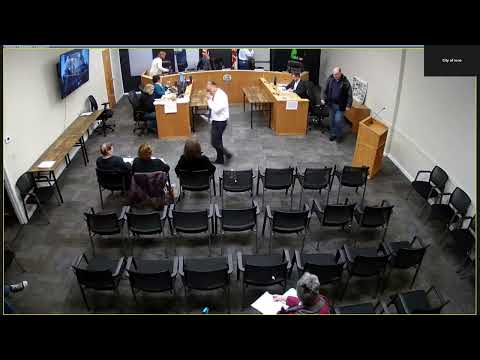
Ione residents pressed the City Council on Feb. 17 over a proposed easement that would send Amador Water Authority (AWA) backwash to US Mine, arguing the change could eliminate water previously available to irrigation contracts and Oliver Park facilities.
"Problematic with AWA sending all of its backwash water to US Mine and eliminating Ione completely is that we have contracts to provide irrigation water to croplands for Jackson Rancheria and to the golf course," Zoom caller Marsha Edick said during public comment. "At some point, we're not gonna get any water from ARSA, which means we won't be able to meet those obligations. Lawsuits will be filed." (Marsha Edick, Zoom caller)
Edick told the council the easement and related negotiations sidestepped Ione officials: she said only two entities negotiated a written contract and that city officials had "no input even though it involves our property." She also questioned why a council member who previously recused himself had solicited an opinion from the Fair Political Practices Commission before voting again.
Multiple in‑person commenters recounted the local history of the pipeline and disputed whether water currently reaches US Mine. A long‑time resident said the pipeline had been blocked off and that past arrangements had kept costs down for residents; another speaker said Howard Park once received water that US Mine had paid for but that arrangements had changed years earlier.
Council members did not take a final vote on the easement at the Feb. 17 meeting. Instead, public testimony and back‑and‑forth among residents and council members focused on clarifying who negotiated the contract, whether existing irrigation contracts would be affected, and whether additional legal review was needed. The city attorney and staff were asked to track obligations tied to crop‑irrigation and to evaluate legal risks before bringing a final action back to council.
The matter has been on the council's radar since at least March 2025, when documents commenters said were signed appeared in the public record. Residents urged the council to ensure transparent negotiation with all affected parties — the property owner, the water supplier (AWA) and any water recipients — before authorizing permanent easements.
Next steps: Council members asked staff to provide additional documentation and to return the item for further consideration; no council direction authorizing a final easement was adopted at the meeting.