Get Full Government Meeting Transcripts, Videos, & Alerts Forever!
Get email alerts on the Noise Ordinance topic
No spam. Unsubscribe anytime.
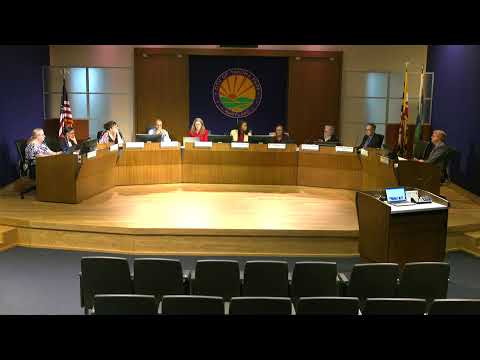
Council moves to dissolve noise control board, asks staff to propose mediation and ordinance revisions
Summary
After extended debate, Takoma Park council eliminated reconstituting the noise control board and agreed to pursue ordinance revisions to dissolve or clarify the board’s role, explore mediation or county processes, and determine whether staff can perform new enforcement duties. Staff will confer with the city attorney and return with options.
The Takoma Park City Council narrowed options for dealing with non‑decibel 'nuisance' noise complaints and signaled that it will not reconstitute the old Noise Control Board. Instead, council members directed staff to consult the city attorney and return with proposed ordinance revisions that would either formally dissolve the noise board (which has been functionally suspended) or clarify staff authority and appeal options.
Council members argued options included: using county mediation or retired administrative law judges for adjudication, creating an on‑call mediator list, or giving additional enforcement clarity to city police and code enforcement. Several members noted past difficulty staffing the noise board and said a rarely convened local board is a poor fit for frequently changing complaint types. Others urged caution to ensure residents retain due process and a clear appeals path.
Council took hand votes during the work session to eliminate reconstitution of the board and to reject designating the full council as the adjudicatory body. The emerging consensus was to dissolve the board and task staff with analyzing: (1) county mediation/adjudication options and differences in decibel standards; (2) whether the current code already authorizes staff citations or needs language changes; and (3) the costs/feasibility of using mediators or administrative law judges as an adjudicatory backstop. Staff will return with findings and a schedule for ordinance revisions and follow‑up work sessions in roughly two weeks.