Get Full Government Meeting Transcripts, Videos, & Alerts Forever!
Get email alerts on the Land Use Data Centers topic
No spam. Unsubscribe anytime.
Carroll County adopts 12-month moratorium on data processing centers to study water, energy and siting impacts
Summary
After a public hearing, Carroll County commissioners unanimously approved a 12-month temporary deferral on permitting for data processing centers while staff studies water use, energy demand, siting and potential zoning amendments.
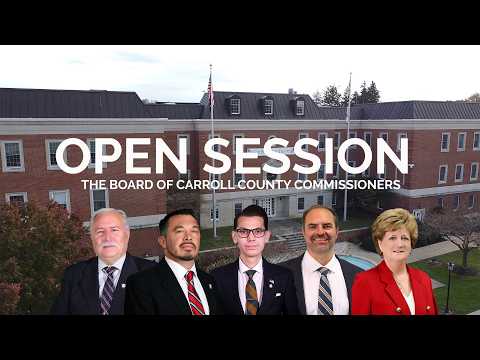
Carroll County commissioners voted on Feb. 19 to impose a 12-month temporary deferral on new data processing center applications while county staff evaluates their potential impacts on water supplies, electric capacity and appropriate siting within the county.
County staff opened the public hearing by explaining that "data processing centers are currently not addressed in the Carroll County Zoning Ordinance," and presenting staff's view that a temporary pause would allow analysis of consumption metrics and identification of appropriate zoning approaches.
Commissioners debated the length of the deferral; staff and commissioners mentioned uncertainties about pending state and federal regulations and the possibility that evolving rules could require adjustments to any new local ordinance. After discussion, Commissioner Krebs moved to impose a one-year deferral and to close the public hearing; the motion carried on a voice vote.
Commissioners said they were acting proactively. One commissioner noted that other Maryland counties have pursued similar pauses and that energy and water demands from large-scale data centers can affect local customers and transmission capacity. Commissioners asked staff to return within roughly a month with background information, possible zoning amendments, and options for tailored approaches (for example, allowing smaller facilities or imposing thresholds by electrical load or water use).
Next steps: staff will draft a work plan and timeline for outreach and analysis, including coordination with state agencies, utilities and municipal partners. The one-year deferral is intended to provide time to develop code language and siting criteria before new applications proceed.