Minnesota Medicaid Fraud Unit describes surge in referrals, urges enrollment safeguards
Loading...
Summary
The state Medicaid Fraud Control Unit told lawmakers it remains a small, federally funded team focused on provider fraud and abuse but has seen referrals jump to more than 200 in the first four months of the federal fiscal year; the unit urged legislative attention to tighter provider enrollment and identity controls.
The Minnesota Medicaid Fraud Control Unit told the House State Government Finance and Policy Committee that increased referrals and more complex cases have stretched a 32-person team funded largely by a federal grant. Nick Wonka, director of the unit, said the unit prosecutes provider fraud and abuse—often involving nursing homes, home health agencies and credentialed providers—but cannot perform certain administrative actions such as turning off Medicaid payments.
The unit, Wonka said, is staffed with seven attorneys, 17 investigators, two analysts, two paralegals and four support staff and receives roughly 75% of its funding from a federal Office of Inspector General grant that restricts its work to Medicaid provider fraud, abuse and financial exploitation of vulnerable adults. "We're 1 of 53 in the country," Wonka told the committee, and the federal funding "comes with conditions on what we can and cannot do."
Why it matters: committee members cited rising referral counts and urged translating enforcement lessons into preventive policy. Wonka said referrals have grown markedly. "Since October 1 of this federal fiscal year, we've already received over 200 separate referrals," he said, explaining many referrals now involve agency-level schemes controlled by a single bad actor rather than lone home-care workers.
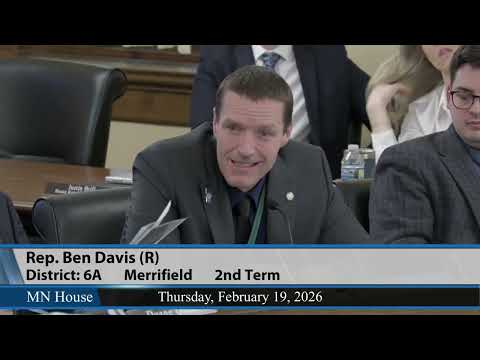
Members asked for concrete next steps to prevent fraud. Wonka recommended tightening front-end enrollment controls, including measures to require unique provider identifiers more broadly and additional vetting when providers enroll. He offered to provide written program recommendations to the committee and provide follow-up briefings. Representative Davis asked whether verifying that businesses are who they claim to be would be effective; Wonka replied that verifying ownership and identity is always a prudent step.
What the unit cannot do: Wonka reminded the committee that federal rules bar the unit from administering the Medicaid program; the unit's role is investigation and prosecution, not cutting off or administratively suspending payments.
Next steps: Wonka and the AG's office agreed to provide detailed referral and staffing data on request and to meet with members to discuss prevention-focused recommendations.