Corrections seeks $52 million for asset preservation and expansion at Rush City to add programming space
Loading...
Summary
The Department of Corrections asked for $52 million in bonds and $1 million in general fund cash to address a large deferred maintenance backlog (cited as $781 million) and to expand programming space at MCF Rush City, arguing that limited programming increases safety and recidivism risk.
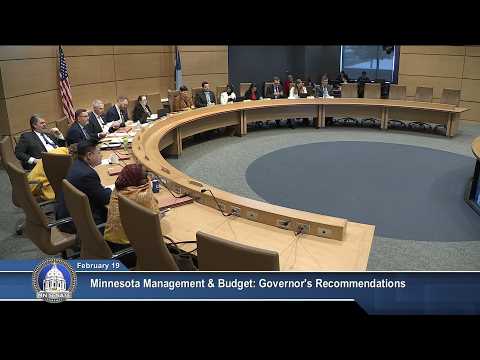
Paul Schnell, commissioner of the Minnesota Department of Corrections, told the Capital Investment Committee that corrections facilities hold the largest deferred maintenance burden among state agencies and outlined four priorities for the department: asset preservation, a Rush City expansion to add programming space, a strategic modernization predesign, and demolition of crisis-condition structures.
Schnell said the governor's recommendation includes $52 million in general obligation bonds and $1 million in general fund cash for corrections asset preservation. He noted the department's deferred maintenance total as $781 million and emphasized that programs and treatment space are critical to rehabilitation. "Our top priority this year is asset preservation," Schnell said, noting the list includes more than 150 projects.
Rush City was singled out because the facility was originally built with limited programming space and later double-bunked; the expansion would add 28,000 square feet of new space and repurpose 16,000 square feet for medical, education and treatment services. DOC said the expansion will improve safety and reduce idle time that research links to worse correctional outcomes.
Senators questioned whether state prisons meet the standards applied to county jails; DOC said county-jail standards differ from prison standards and that both state and county facilities are facing aging infrastructure needs. Committee members pressed for a policy discussion on parity, oversight and the role of past appropriations in the current backlog.
DOC representatives said demolition requests include hazardous-material abatement and site restoration and that demolition funding is proposed from general fund cash because demolition without replacement is not bond-eligible.