
Irving council reviews compromise DART governance plan, urged to back legislative change
Get AI-powered insights, summaries, and transcripts
Subscribe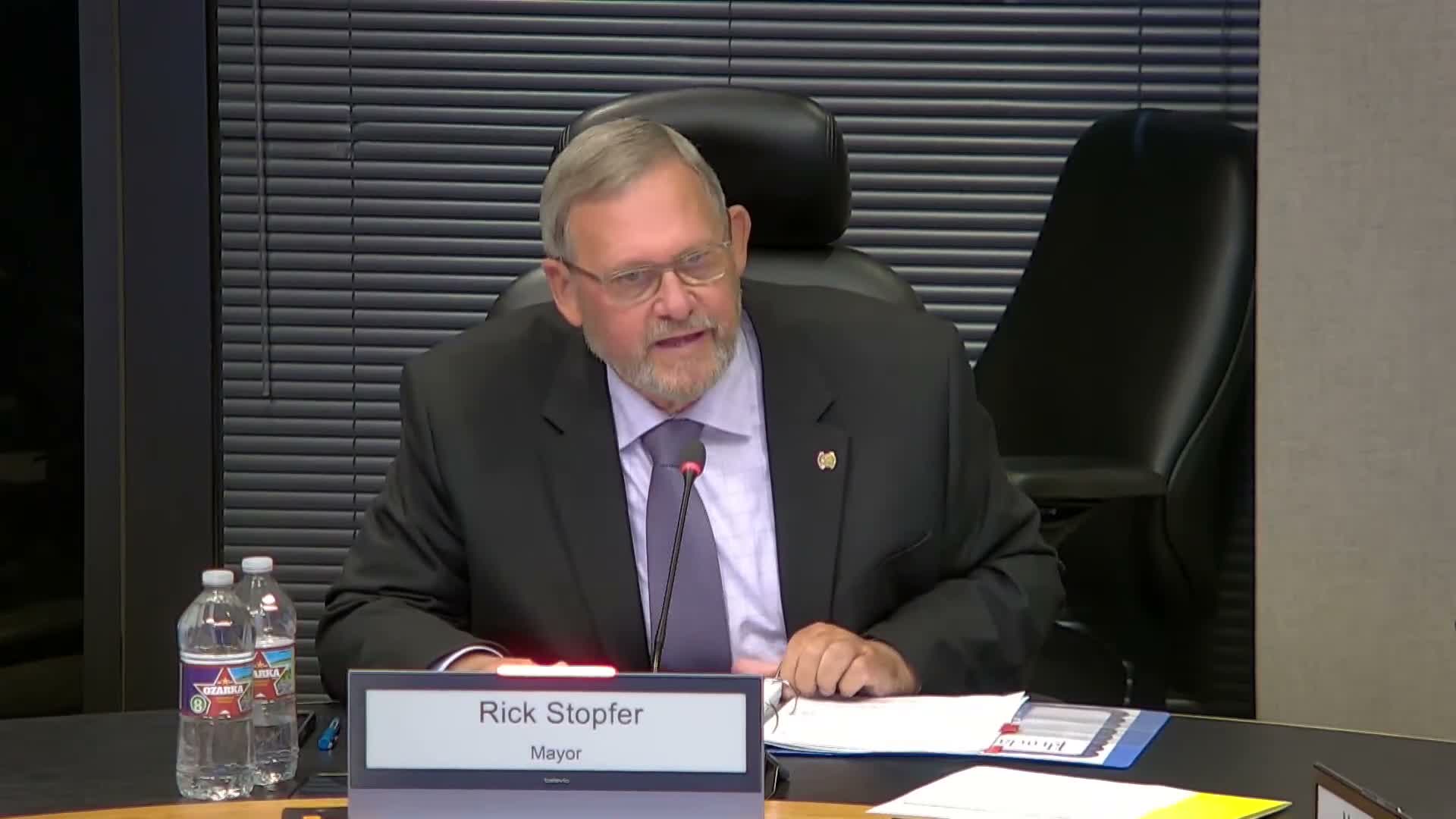
Summary
City staff presented a modified governance framework for the Dallas Area Rapid Transit board that would expand seats to 22, give Irving two full seats and preserve proportional voting while Dallas would hold a 45% minimum share; council debated finance trade-offs and whether redistributed sales-tax dollars should be tied to contributions or population.
City staff asked Irving’s council on Feb. 12 to consider a resolution supporting a negotiated change to the Dallas Area Rapid Transit (DART) governance model and to pursue the change at the next legislative session.
The working-group proposal would expand the DART board from 15 to 22 seats and give Irving two full seats in the new makeup, while retaining a proportional voting approach tied to population and sales-tax contributions. Staff said the modified framework responds to concerns from Dallas and other member cities and aims to prevent any single city from holding a board majority.
"I believe it addresses the core issues that we felt relative to our concerns about how the current DART board makeup is," a staff presenter said while outlining the compromise. Staff described five guiding principles that drove the proposal: a full seat for each member city, consideration of full votes, prevention of a single-city majority, proportionality and a growth mechanism for adding new members.
Council members pressed staff on the finance implications, saying previous redistributions tied to population rather than contributions produced uneven results. "There were dollars that were coming back to the city…so again these are sales tax dollars that were provided by the cities," staff said, recounting a past reallocation and noting an estimated $19 million difference that a Council of Governments payment later helped address.
Staff also described a proposed finance package under active regional discussion: a $75 million assistance package at the Regional Transportation Council that could help support a combined 10 percent return structure (5 percent already budgeted by DART, plus additional phased contributions and a potential COG match). "What's on the proposal right now would be a total of 10%, 5% from DART…then over the next 5 years 2.5% from DART, 2.5% match from COG," staff said.
Some members said money — not just votes — must be the focus. The mayor said he could accept the proposed votes but remained concerned that returns to member cities should reflect what a city contributed in sales tax rather than population-based formulas. Staff acknowledged the finance piece remained under negotiation and said RTC and DART votes in the coming days would clarify numbers.
Staff recommended the council adopt a resolution of support so Irving could join other member cities in a legislative push to change how DART’s board is apportioned. No formal vote on a resolution was recorded during the Feb. 12 session; staff said a final recommendation and any alternative to the previously scheduled election would be presented to council after anticipated RTC action and further finance details.
What happens next: staff said they expect to receive final finance details from RTC shortly and intended to bring a recommendation back to council on or before the Feb. 26 meeting; any governance change would require state legislative action to take effect.