Get Full Government Meeting Transcripts, Videos, & Alerts Forever!
Get email alerts on the Caregiver Wellness topic
No spam. Unsubscribe anytime.
OEC webinar urges caregivers to prioritize their mental health so children can thrive
Summary
At an Office of Early Childhood webinar in May 2024, state and community leaders urged caregivers and early‑childhood professionals to treat mental health as part of basic family supports, highlighted an OEC public campaign and parent videos, and offered concrete resources for perinatal and caregiver mental health.
The Connecticut Office of Early Childhood hosted a webinar in May 2024 titled “The Air We All Breathe, The Essence of Mental Health and How We All Have a Connection to It,” urging caregivers and early‑childhood professionals to make mental health a regular part of family life.
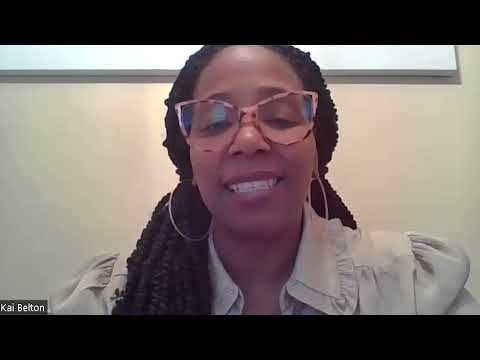
State Representative Kai Belton, the keynote speaker, described her two decades as a licensed social worker and urged adults to “refill your cup” so they can be present for children. “You can’t pour from an empty cup successfully,” Belton said, framing self‑care as both a personal and public duty for those who care for young children.
Panelists and parents in video vignettes emphasized the same theme. Shanae Russell of OEC introduced the For Families, By Families “Keep It Real” video series, in which parents share how they explain feelings to children and model emotional honesty. Keisha Gibbs, a parent leader with the 2‑Gen initiative, said admitting struggle and asking for help models strength for children.
OEC presenters and panelists recommended specific resources and practical steps: connect with employer or insurance benefits, use community supports such as faith communities, and consult OEC resource pages. Karen Pascale, director of Connecticut’s Head Start Collaboration Office, pointed attendees to the Pyramid Model and Head Start’s family‑support roles, which pair basic needs work with promotion and prevention strategies for social‑emotional development.
Panelists also discussed how basic needs and mental health intersect. Pascale noted programs that address housing instability alongside mental‑health supports, and Dr. Samantha Smalls, a psychotherapist and founder of New Chapter Counseling Services, said caregiver mental health directly affects children’s regulation and readiness to learn.
OEC closed the session by sharing the ‘It Starts Within’ public awareness campaign and directing attendees to the campaign site for additional resources.
The webinar combined personal testimony, program guidance and state‑level resources; hosts said materials and links shared during the session are available on the OEC behavioral‑health resource page.