
Pacific Community delegation tells CNMI House it can expand technical support; clarifies membership arrears
Get AI-powered insights, summaries, and transcripts
Subscribe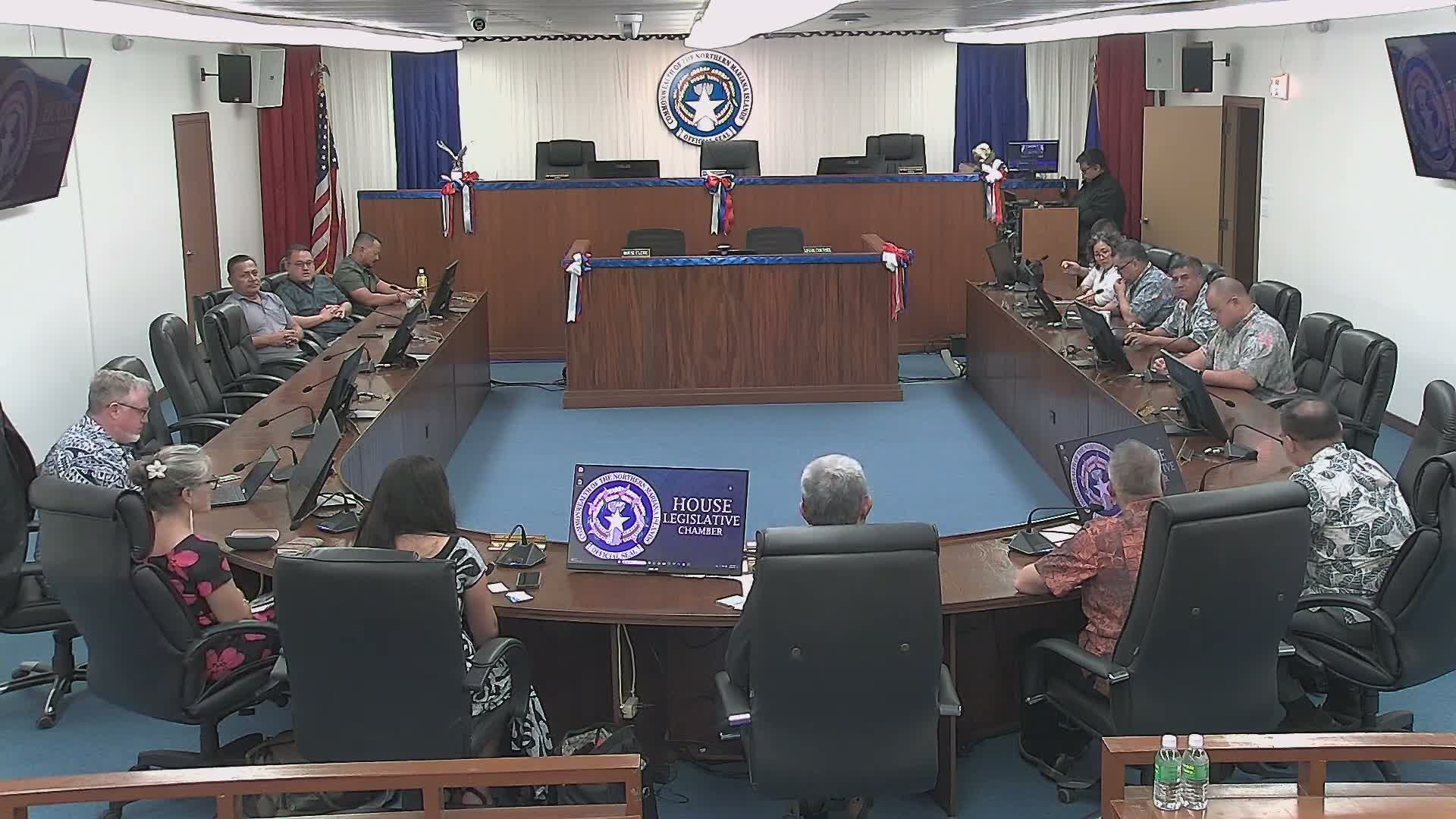
Summary
The Pacific Community delegation briefed the CNMI House in Saipan on fisheries, agriculture and public‑health support and said CNMI’s assessed‑contribution arrears are roughly $1 million; SPC leaders described capacity‑building, grants and a repayment plan that could restore fuller access to benefits.
The Pacific Community delegation, led by Director General Paolo Vivili, told members of the Commonwealth of the Northern Mariana Islands House of Representatives in Saipan that the regional organization is prepared to expand technical support for fisheries, agriculture, public health and capacity building.
"We are here," Vivili said, describing SPC as "an organization that was set up by you, as, members, and we see the organization as an extension of our members." He urged CNMI agencies to use SPC’s member support request system and to nominate representatives to upcoming regional meetings.
Vivili addressed a line of questioning about outstanding assessed contributions. He said the 22 Pacific Island countries and territories together have an assessed contribution pool of about €2,000,000 per year, that individual member assessments typically range from about €40,000 to €200,000, and that CNMI’s assessed contribution is €62,000. "So, CNMI, unfortunately, has not paid for 18," Vivili said, adding that the total outstanding amount is "close to 1000000 dollars." He described negotiated repayment plans — characterized in SPC’s terms as a year’s assessed contribution plus a modest additional payment — and said SPC had already begun targeted support in 2024 after a commitment to a repayment schedule.
SPC staff outlined specific program areas available to CNMI. Neville Smith, who leads fisheries, aquaculture and marine ecosystems capability, summarized recent regional assessments and encouraged CNMI to send nominations to the next heads of fisheries meeting in Nouméa and to tap SPC’s tuna‑science and coastal fisheries resources. Karen Mapusur described the Land Resources Division’s three programs — genetic resources, agriculture systems and natural resource management — noting the Center for Pacific Crops and Trees conserves more than 2,500 crop varieties and that SPC has identified climate‑resilient varieties and delivered ParaVet training previously in CNMI.
On deep‑sea mining, Vivili said SPC has collected science in the past and is in early conversations with the United States about potential support but stressed organizational neutrality: "we are neither pro DSM nor anti DSM." On rising shark interactions, Neville Smith said population recoveries have created new depredation challenges and cited mitigation research and emerging technologies such as so‑called "shark pods" or "shark shields" for industrial longline fisheries.
CNMI lawmakers proposed expanding training and fellowship opportunities that could build local capacity and suggested creative in‑kind approaches to reconcile arrears with exchange programs. Floor Leader Marissa R. Flores asked whether fellowships or a memorandum of understanding might allow CNMI to pay down dues while receiving training; SPC and CNMI officials said they were open to proposals subject to federal coordination for activities that implicate U.S. authorities.
The House did not take any formal votes at the meeting. Members and SPC officials described next steps as negotiating a repayment plan, identifying fellowship and training proposals, and coordinating with federal partners where required.
The legislature thanked the delegation and closed the public briefing with plans for private follow‑up on financial and programmatic details.