District touts higher graduation rate, ACT scores and middle-school recognition
Loading...
Summary
Superintendent and school leaders credited district practices for a rise in graduation rate (79% to 89%), multiple 30+ ACT scores, and Thermopolis Middle School’s No. 1 ranking; trustees and students highlighted extracurricular success and the 4-day school week’s effect on attendance.
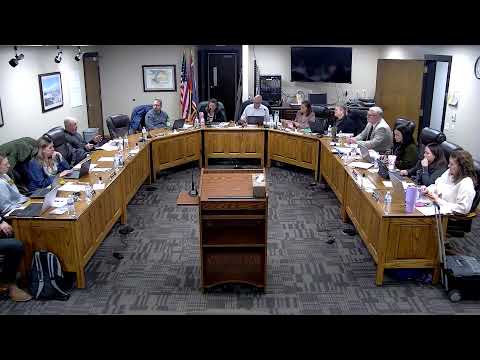
Hot Springs County School District leaders used the regular board meeting to highlight recent academic gains and extracurricular achievements.
Superintendent (identified in the meeting as “Doctor”) told trustees, “We have raised our graduation rate from 79 percent to 89 percent,” framing the increase as the result of sustained interventions and monitoring rather than any single-year change. He and trustees emphasized that interventions and targeted supports operate during the instructional year rather than being stacked into summer school.
High school staff recognized four seniors — Dean Beer, Margo Keller, Ellis Weber and Cole Keller — for scoring 30 or higher on the ACT, a result the presenter said places students roughly in the top 5–7% nationally. The board also celebrated students' extracurricular success: conference championships in boys and girls wrestling and the middle school’s top seeding in an upcoming basketball tournament.
Middle school principal Mr. Luby reported that the district’s 4-day week has shown early benefits for attendance and staffing. "Our attendance has actually improved for both students and staff," he said, and noted fewer substitute needs on Fridays because coaches and activity staff can cover duties. He also told the board that "Thermopolis Middle School was named the number 1 middle school by US News and World Report" for 2025, marking a consecutive-year recognition.
Trustees and speakers repeatedly credited teachers and school staff, saying gains reflect system-wide practices such as reteach/retake protocols, mentor–mentee supports and targeted interventions within regular instructional blocks. A student trustee’s report also cataloged recent competitive successes — speech and debate tournament wins, robotics state placement (top 15) and upcoming regional events — that board members said reflect broader academic strength.
The board did not adopt new academic policy at the meeting; instead trustees resolved to continue attention to program monitoring, teacher supports and retaining local discretion over instructional choices as state legislative proposals evolve.