Get Full Government Meeting Transcripts, Videos, & Alerts Forever!
Get email alerts on the Budget topic
No spam. Unsubscribe anytime.
Watchung Hills board previews 2026–27 budget, weighing use of health-benefit waiver and potential referendum
Summary
Administrators presented a preliminary 2026–27 budget overview highlighting declining enrollment, rising health and special-education costs, a 2% state levy cap (about $725,000) and eligibility for a state health-benefit waiver that could increase the levy if fully used; board members discussed referendum timing and tax-impact communication.
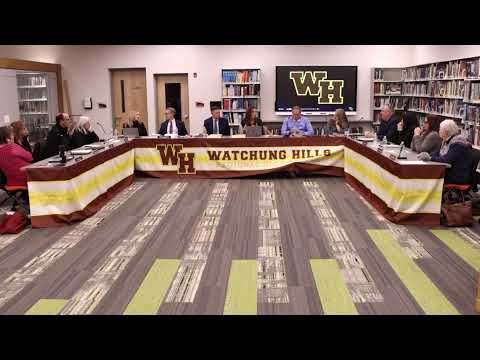
Administrators at the Watchung Hills Regional High School District board meeting on Feb. 3 gave an initial presentation on the district’s 2026–27 budget outlook, emphasizing continuing cost pressures and a modest projected enrollment decline.
The administration said enrollment has fallen over recent years (the presenter cited roughly 1,741 students in 2023–24 and projected about 1,663 for next year) and listed recurring drivers of increased spending: health-benefit costs, special-education tuition, transportation and building repairs. For planning, the presentation used a flat state-aid assumption until official numbers are released.
Why it matters: The district faces constrained options under New Jersey’s levy cap rules. The presenter said a 2% tax-levy increase would equal about $725,000 on the district’s roughly $36 million levy. The administration also noted the district is eligible for a state health-benefit waiver that, if fully available and used, could add to the levy; the presenter described a theoretical maximum combined levy increase of about 7.35% if every available waiver dollar were used. The administration stressed that the waiver amount available to spend is limited to the district’s actual health-cost increase, not the full calculated percentage.
Board members discussed how high to set a preliminary levy target and whether to plan for a referendum to cover capital needs. Options outlined included keeping the levy near the 2% cap, using the cap plus any allowable health-benefit waiver dollars, seeking a flat levy, or pursuing a higher-revenue referendum. Finance committee materials presented a separate timeline for a possible referendum (identify projects by Sept. 2026; apply to the state in Jan. 2027; public vote targeted for Sept. 2027) and an advisor estimate of a $64.5 million maximum referendum amount for planning purposes.
Administration said the timing of the governor’s budget address and the state’s release of aid numbers could shift (the presenter noted a possible delay of the address to March 10), making more detailed tax-impact calculations contingent on those releases. Board members asked the administration to return with dollar estimates that translate percentage increases into per-household tax impacts once tax-rate inputs are available.
The presentation also reviewed capital reserves: a capital balance the presenter said was about $6.6 million and the district’s plan to consider using reserves for targeted projects or as part of a referendum. The finance committee discussed the possibility of financing large items over the life of the asset to spread cost across multiple budget years.
Next steps: The board deferred setting a firm levy target and directed administration and the finance committee to refine numbers, produce concrete per-household tax-impact estimates once state inputs are available, and separate must-have from nice-to-have projects for any referendum planning.