Get Full Government Meeting Transcripts, Videos, & Alerts Forever!
Advocates ask lawmakers to treat childcare affordability as a systems challenge; nonprofits warn against duplicate reporting mandates
Summary
Speakers told the committee that early childhood costs create an affordability crisis; advocates urged HB5163 to study affordability and workforce pipelines, while nonprofit representatives warned SB154-style reporting could duplicate data already submitted and burden providers.
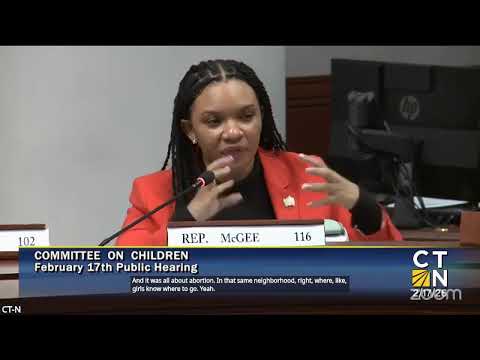
Meryl Gay, executive director of the Connecticut Early Childhood Alliance, told the Committee on Children that HB5163 to study childcare affordability is timely. She said families face an affordability crisis where childcare and housing costs outpace incomes and noted roughly 3,800 children are on the Care for Kids wait list. Gay urged policies to stabilize supply,…
Already have an account? Log in
Subscribe to keep reading
Unlock the rest of this article — and every article on Citizen Portal.
- Unlimited articles
- AI-powered breakdowns of topics, speakers, decisions, and budgets
- Instant alerts when your location has a new meeting
- Follow topics and more locations
- 1,000 AI Insights / month, plus AI Chat