Experts and parents back a task force on voluntary infant surrender; debate over baby boxes and confidential birth continues
Loading...
Summary
Experts, child advocates and parents supported SB156 to create a task force on voluntary infant surrender. Testimony highlighted safe‑haven law limits, recommended confidential birth options and better public outreach, and produced mixed views about baby boxes and the need for regulation and anonymity protections.
A bipartisan mix of experts, child advocates and people with lived experience told the Committee on Children that a task force to study voluntary infant surrender (SB156) is warranted and should consider a wider set of policy options — including confidential birth, better hospital policies, expanded surrender options such as 911 handoffs, and careful study of baby boxes.
Laurie Bruce, a research scientist and bioethicist at Yale University, told the committee safe‑haven laws are intended as a narrow safety net used rarely (roughly 100 parents per year nationwide) and that states have reexamined them since the Dobbs decision. Bruce recommended complementary policies like confidential birth (allowing hospital labor and delivery with a stronger privacy safeguard), 911 surrender options that send trained EMTs to meet a parent, and stronger hospital counseling so parents know options and get trauma‑informed care.
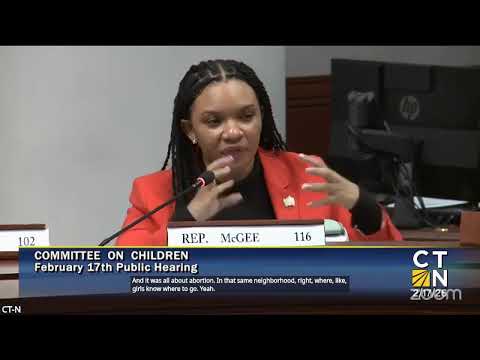
Christina Bennett, who adopted an infant surrendered at a Connecticut safe‑haven location, described the experience as "a very beautiful experience" and said public awareness needs substantial improvement. "I didn't know anything about safe‑haven laws," she testified, urging education and outreach. Janice Fleming and other witnesses highlighted racial disparities in prosecutions and access, arguing outreach must be culturally targeted and that many women in vulnerable communities lack safe options.
Witnesses debated baby boxes: some speakers, including Bennett and other adoptive parents, supported them as a last‑resort option and asked that any program be regulated for safety and anonymity; others, including academic witnesses, cautioned that boxes have not demonstrably reduced unsafe abandonments in other countries and require strict oversight because of practical failures in some installations.
Committee members and witnesses agreed on several immediate steps: stand up the task force to gather data, include lived‑experience and clinical expertise on the panel, study confidential birth models and 911 surrender mechanisms, and plan public‑awareness campaigns (April 4 noted as Safe Haven Day) to ensure parents know available options. The hearing produced no legislative vote.