
Scott County officials warn Minnesota's disability services are strained as DHS payment reviews slow providers
Get AI-powered insights, summaries, and transcripts
Sign Up Free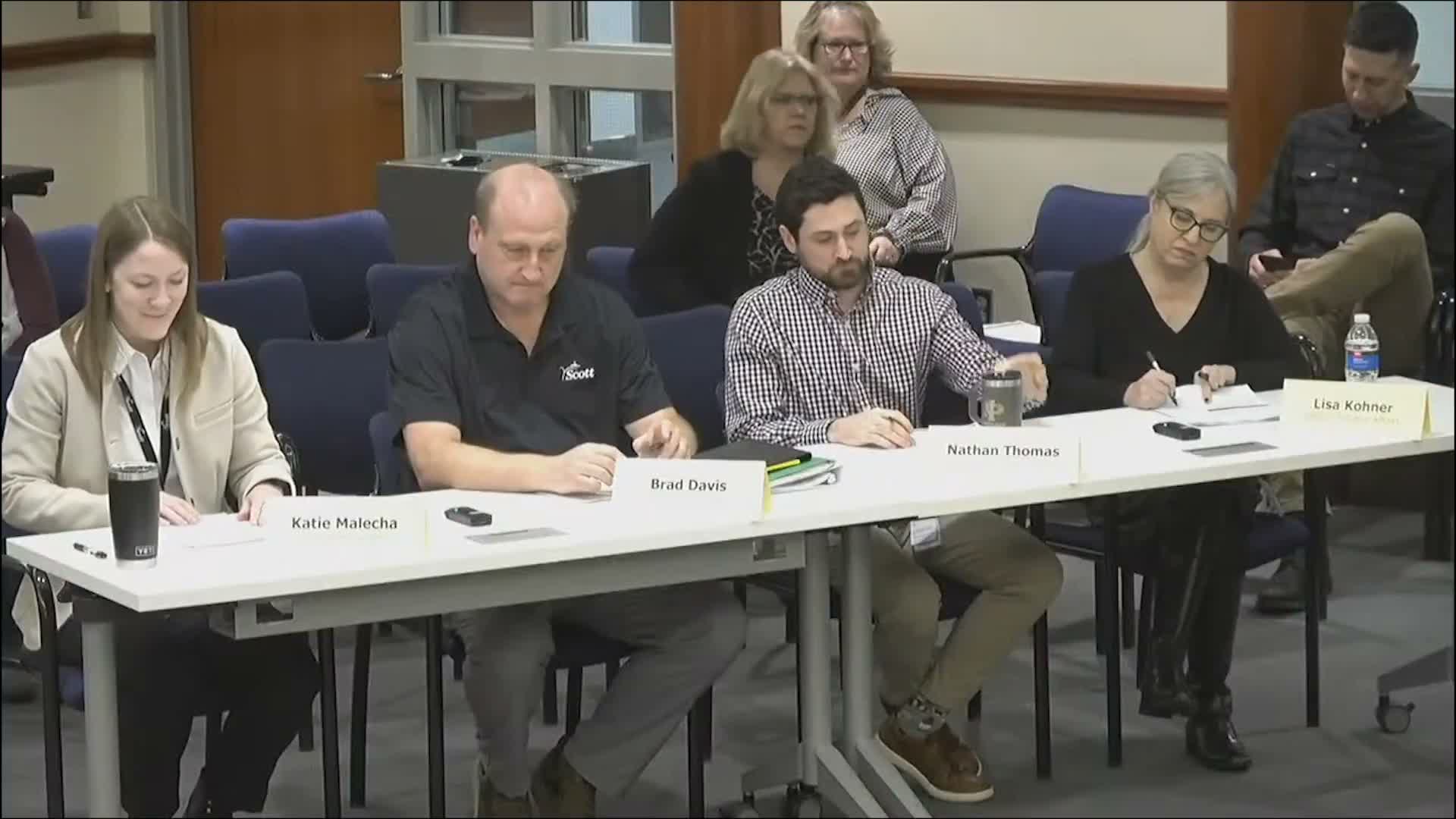
Summary
Scott County staff and contracted providers told county commissioners that Minnesota's MNChoices assessment timelines, a DHS prepayment review that has temporarily paused some provider payments, and an anticipated waiver rework are straining services and may shift costs to counties. County staff flagged five providers suspended from providing services (about 14—15 clients) and a potential $810,000 annual cost shift for Scott County if statewide savings are not found.
Scott County officials and contracted disability service providers told county commissioners on a panel that Minnesota's long-term services and supports system is under significant strain because of delayed MNChoices assessments, a DHS prepayment review that has paused some provider payments, and planned changes to waiver rules that still require federal approval.
"This initial delay once we move through that provider, there won't be quite as much of a lag as there was with this initial wave," said Britney Lane, Aging and Disability Services, describing the DHS prepayment process put in place in October to increase program integrity. County staff, however, said the review has caused immediate cashflow problems for some small providers.
Melissa Hurt, who works in children and adult disability services, said Scott County has been notified that five providers were asked not to provide services on an ongoing basis, affecting about 14 to 15 clients. "We're connecting with case managers trying to get ahead of the game just to make sure that we're communicating with providers," Hurt said, describing county efforts to advocate for clients and support providers while the state review is ongoing.
County presenters and contracted agencies described MNChoices initial assessments as time-intensive. Panelists said an in-home assessment typically takes two to four hours, followed by office work to draft a person-centered support plan; one slide in the packet referenced 10 to 12 hours for initial-assessment-related work. Staff estimated it can take three months to bring an assessor up to speed if they already have case management experience and up to six months for someone without that background.
Panelists said the statutory target of 20 business days for completing an initial assessment, which they attributed to DHS statute, is not being met. Scott County reported about a four-month wait list for assessments. County staff described expedited pathways in urgent cases (for example, hospital discharges are prioritized and can be completed in roughly 8—15 days), while adult protection teams can also triage safety-critical situations.
Contracted case management has become central to the county's response. County staff said they have shifted internal resources to MNChoices work and increasingly rely on contracted agencies to provide case management capacity. Representatives from contracted agencies described internal quality checks, support-plan audits and training programs; they also said hiring plans must be flexible because assessment volumes can fluctuate.
Panelists discussed a DHS-drafted 191-page waiver amendment that requires approval from the federal Centers for Medicare & Medicaid Services before counties know which changes will take effect. "Until CMS says yes or no to bits and pieces, we won't know what is going to be implemented and how that will impact outcomes," a county presenter said. Staff described a parallel "waiver reimagine" expert-panel process meant to consolidate several waivers into two categories by living setting, with testing of hundreds of case examples ahead of a planned 01/01/2027 launch.
Officials highlighted the fiscal stakes. County staff said the legislature previously discussed a statewide $177,800,000 target and that Scott County's share could be about $810,000 per year if savings are shifted to counties. "That's what the numbers that we have from DHS right now," a county presenter said, adding the figures are subject to change.
Commissioners also raised fraud concerns. County staff said Scott County serves roughly 2,200 waiver clients a year and that about 14 clients have been affected by cases involving provider fraud; staff outlined internal review committees for high-cost services, encouraged use of provider fraud hotlines, and noted that appeals sometimes overturn local denials.
Panelists closed by urging clearer written guidance from DHS, simplification or removal of the CFSS consultation layer, and efforts to reduce the frequency of reassessments for people whose conditions are stable (proposals that would keep annual service-monitoring contacts but reduce full reassessment frequency).
County officials said they will continue to brief commissioners as the DHS waiver amendment moves through federal review and as legislative proposals to bend the cost curve are developed. The board thanked the panelists and asked staff to keep commissioners informed so they can support state-level advocacy and respond to constituent questions about service disruptions.