
Sumner County committee readies $454,643 for opioid‑abatement programs, flags eligibility rules
Get AI-powered insights, summaries, and transcripts
Subscribe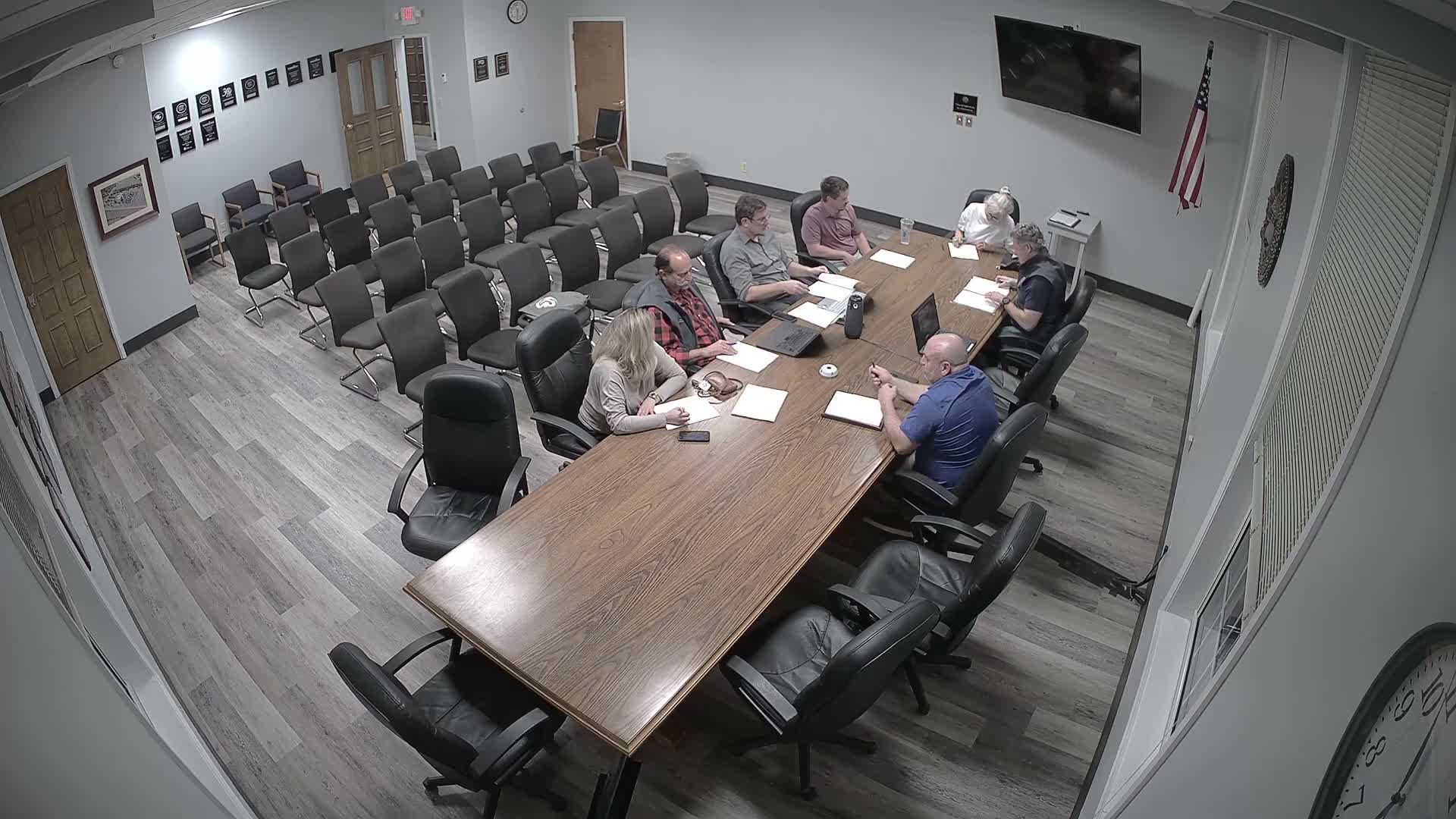
Summary
Sumner County's Opioid Event Committee reviewed Exhibit E restrictions on how state opioid‑abatement funds may be used, discussed an expected $454,643.61 payment and agreed to begin grant preparations so community organizations can apply when funds arrive.
Sumner County's Opioid Event Committee on Tuesday reviewed the state's Exhibit E guidance that limits how opioid‑abatement money may be spent and heard staff say the county expects a restricted‑funds check for $454,643.61 from the state abatement council. Committee members agreed to begin preparing the FY26–27 grant application process before the check arrives to give nonprofits time to apply.
Exhibit E (packet pages 2—17) lists permitted uses for restricted funds, including counseling, peer support, recovery case management, residential treatment with access to medications, transportation to treatment, workforce training and nonprofit recovery facility build‑outs. Staff told the committee that restricted funds must be documented and spent only on items listed in Exhibit E; other, less‑restricted donor funds have separate reporting obligations.
The packet also shows an amendment awarding Cumberland Heights Foundation $50,000 that, staff said, has not been drawn down because the program placed a written application requirement (described in the packet as a one‑to‑two page essay). Staff requested the committee consider removing that barrier so county residents can access the award. Staff also highlighted a partnership with High Point Health, which staff said has served more than 400 people in eight months.
On procurement, staff reported the recovery court build‑out RFP is posted and that some prior contract issues delayed the schedule; one partner delayed signing a $132,000 contract, which extended the RFQ→RFP timeline. Scott Schambach will lead a mandatory bidder walkthrough and staff said bids will be reviewed when received.
The committee discussed whether to wait for funds before soliciting applications or to start now; the chair favored beginning the application process so community organizations have time to prepare. Staff offered to present last year's application with updates at the next meeting to walk the committee through required edits and scoring.
Administrative notes: the committee requested a report showing current restricted‑fund balances (staff said RFP obligations can skew on‑hand balances) and set the next meeting for March 31 at 5:30 p.m. for a longer application‑walkthrough session.
Quote attribution used where the transcript named speakers: "I'm David Klein of County Commission District 6," said David Klein when introducing himself, and Will Tyler said, "I nominate Jeremy," when proposing a vice‑chair candidate.
The committee did not authorize awards at the meeting; staff said no funds can be released until the state payment is received and proper memoranda (agreeing to Exhibit E) are in place.