Get Full Government Meeting Transcripts, Videos, & Alerts Forever!
Get email alerts on the Legal Litigation topic
No spam. Unsubscribe anytime.
Santa Fe Public Schools board authorizes counsel to proceed in multiple threatened litigation matters
Summary
After an executive session on threatened or pending litigation, the Santa Fe Public Schools Board of Education voted to authorize legal counsel to proceed on multiple matters, recording one abstention in public votes.
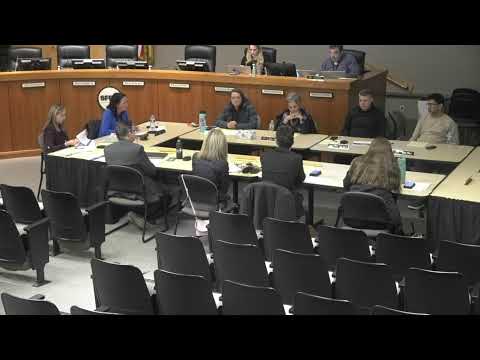
The Santa Fe Public Schools Board of Education on Tuesday moved to authorize district legal counsel to proceed in several threatened or pending litigation matters discussed in a closed executive session.
Board members returned from executive session after discussing litigation described under NMSA 1978 §10-15-1(H)(7), including cases listed in the public record as Amanda Chavez v. Santa Fe Public Schools and Eladio Chavez v. Santa Fe Public Schools. Doctor Gonzales announced the topics discussed and publicly stated that "No action was taken" while the board still moved forward with formal authorizations once back in open session.
Why it matters: The board’s action gives the district’s attorneys permission to implement the next steps discussed behind closed doors, which may include filing papers or other litigation steps. The votes were recorded in open session so the public has a basic record of the board’s formal authorization.
Details: The presiding officer moved to "authorize legal counsel to proceed as discussed in executive session regarding litigation." The motions for each listed item were seconded and adopted in open session. On each motion the board recorded one abstention.
What the board said: Doctor Gonzales, who introduced the executive session motion, read case captions and statutory authority into the record before the board recessed. On return, the motion to authorize counsel was repeated in open session and carried after voice vote. Board members publicly confirmed the presence of one abstention for those votes.
Next steps: The authorizations give counsel the board‑approved authority to act on the cases discussed; the transcript records no further public description of specific tactical steps, and the board did not provide additional details on timing or filings during the meeting.