Get Full Government Meeting Transcripts, Videos, & Alerts Forever!
Get email alerts on the Public Funds Lobbying topic
No spam. Unsubscribe anytime.
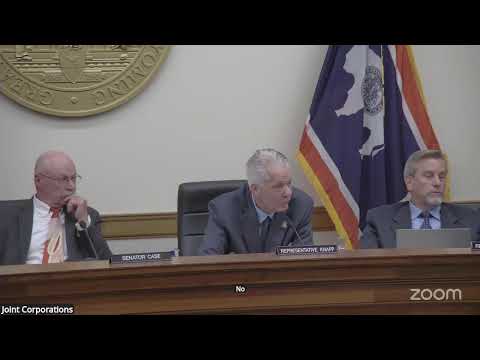
Committee hears heated testimony on proposal to bar use of tax revenues for lobbying; bill tabled
Summary
A bill that would prohibit using revenue collected under Title 39 to finance lobbying drew extensive testimony from municipal and county associations, special districts, and citizens who warned the measure is vague and could silence local governments. After extended questioning and public comment, the committee voted to table the proposal.
The Corporations, Elections & Political Subdivisions Committee on Feb. 23 heard hours of testimony on a draft bill that would restrict use of revenues collected under Title 39 (state tax code) to lobby or finance lobbying. Josh Anderson of the Legislative Service Office presented the measure and described its scope, definitions, and exceptions.
Anderson told the committee the draft would require any government entity that receives or distributes Title 39 revenue to conduct lobbying only from accounts separate and independent from any account that receives Title 39 revenue, and to limit use of those funds to non-lobbying activities. He said the bill defines "lobby" to include attempts to influence legislation or campaign activity, while carving out exceptions for testifying before a governmental committee, providing data or education, and actions performed as part of official duties.
Committee members raised questions about the draft’s clarity. Lawmakers asked whether mayors and county commissioners could still travel at public expense to testify, whether hallway conversations or emailed amendments could be treated as lobbying, how a municipality could determine whether a contractor’s work was covered, and what penalties or constitutional implications might follow. Anderson said the draft tracks prior 2021 language and offered to prepare additional legal analysis on penalties and constitutional concerns.
Representatives of municipal and county associations urged the committee to narrow the language or provide safeguards. Ashley Harpstreet, executive director of the Wyoming Association of Municipalities (WAM), said the group does not use membership dues for direct lobbying and warned that a blanket prohibition could "silence the very voices that understand the day-to-day challenges of governing." Matt Murdoch, mayor of Pinedale and WAM board president, told the committee he was "angry" about the bill’s potential to "quiet dissent," stressing local governments’ role in educating lawmakers. The Wyoming County Commissioners Association likewise warned the proposal could hinder federal advocacy and routine outreach.
Citizens and smaller special‑district representatives said the draft’s ambiguity could chill testimony from volunteer boards and local experts that help lawmakers craft policy. After extended public comment, a motion to table the bill was moved and seconded and the committee carried the motion; the chair announced "that motion does carry." The tabling pauses immediate consideration so members can consider revisions or further study.
Lawmakers and witnesses said further drafting is likely needed to clarify definitions, carve out educational and essential job‑duty communications, and ensure the law targets the use of public tax revenue for direct campaign activity rather than ordinary official duties and technical briefing.