Get Full Government Meeting Transcripts, Videos, & Alerts Forever!
Get email alerts on the Association Membership topic
No spam. Unsubscribe anytime.
Goochland residents urge school board to retain VSBA membership, criticize SBMA
Summary
Multiple speakers at the July 9 meeting urged the Goochland County School Board not to leave the Virginia School Boards Association and raised concerns about affiliating with the newer School Board Member Alliance, citing training, resources and perceived partisanship.
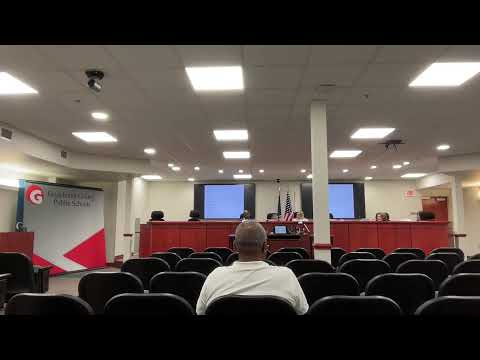
Several residents told the Goochland County School Board on July 9 that the division should retain its membership in the Virginia School Boards Association rather than affiliating with the newer School Board Member Alliance.
Jen Strozier of Oilville opened the public-comment period by criticizing the SBMA’s approach and questioning whether it understands local practice. Strozier said the SBMA “charges $3,000 for a single day training” and argued the group was “clueless about Goochland,” adding that “diversity and equity are what makes our community strong.”
Mike Piment, a longtime educator and former board member, told the board the VSBA has served school divisions since 1906 and provides leadership, training, policy and legal services. He said the board should present clear pros and cons to constituents before changing affiliations and called the June mention of ending VSBA membership “insufficient” without further detail.
Karen Horn, who has been active with VSBA events, described the organization as nonpartisan and useful for exposing members to a range of views and practical programs. She warned that aligning with a smaller, ideologically narrower association could limit access to diverse perspectives and professional development opportunities.
An additional commenter noted that Virginia law requires certain annual trainings for school board members and said leaving VSBA could complicate access to those opportunities. Several speakers framed the choice as one that affects training, policy support and the board’s ability to advocate collectively at the state level.
The public comment exchanges mixed factual assertions about dues, organizational size and training offerings with strongly held opinions about partisanship and local fit. Board members acknowledged the matter will be discussed in more detail at their upcoming retreat on July 18.
The board did not take formal action on affiliations during the July 9 meeting; the public-comment period closed without a vote on the topic.