Richmond Rent Board freezes processing of exemption requests after weeks of Monterey Pines tenant complaints
Loading...
Summary
The board adopted Resolution 26-01 to temporarily suspend staff processing of Regulation 202 exemptions for 180 days and directed a study session after more than 20 tenants testified about hazardous conditions and unexplained utility charges at Monterey Pines Apartments.
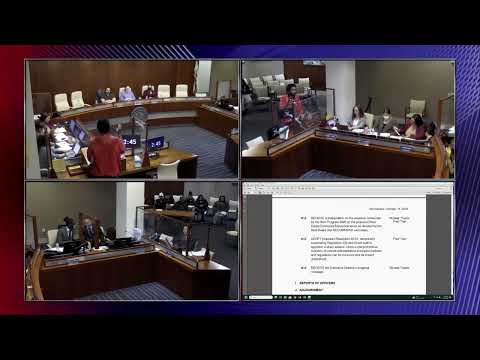
The Richmond Rent Board on Feb. 18 voted to adopt Resolution 26-01, temporarily suspending staff processing of administrative exemptions under Regulation 202 for 180 days while staff and the board study the regulation’s intent and impacts.
Deputy Director Fred Tran told the board staff had observed an increasing number of exemption requests beginning in September 2025, including whole-complex applications that, if carried out, would remove tenant access to the rent board’s petition process and shift some units from being fully covered to only partially covered under the rent ordinance. “What we are proposing is to temporarily suspend Regulation 202 for staff and the board to fully understand the impacts,” Tran said during his staff report.
The resolution passed after a lengthy public comment period in which 23 speakers—many residents of Monterey Pines Apartments—described long-standing habitability problems, spikes and unexplained variation in utility bills, and alleged coercive practices by property management. Adam Morton, an attorney with the California Center for Movement Legal Services representing over 300 Monterey Pines tenants, told the board that Monterey Venture’s utility billing had effectively raised rents for some tenants by more than 20 percent and, in some Section 8 cases, by amounts he said exceeded 100 percent. “A temporary suspension is not enough,” Morton said, urging the board to “permanently rescind Regulations 202 and 204” to provide tenants faster relief.
Other tenants provided detailed accounts of conditions and billing: broken or nonfunctioning heaters, months without hot water, mold and asthma symptoms in children, overflowing toilets and flooding, infestations of rats and cockroaches, failed city inspections cited by residents, and variable monthly utility charges that tenants said lacked measurement or explanation. Carla Perez, a 25-year resident, asked the board to visit the property to see conditions firsthand. Several speakers said they had been threatened with eviction if they did not sign addenda or accept billing changes.
General Counsel Charles Ochinuga clarified that the suspension described in the resolution freezes staff processing of currently submitted and future exemption applications under Regulation 202 but preserves existing exemptions already granted. He said the 180-day moratorium is extendable if the board documents a factual basis for an extension. Board members asked staff to return sooner than a month if urgency merited it.
Board members then voted to adopt Resolution 26-01. The motion passed with Board Member Espinosa, Board Member Willis and Chair Tipton voting yes; Vice Chair Cantor and Board Member Hite were absent. The board directed staff to agendize a comprehensive study session on administrative exemption policies, the intent behind Regulation 202, and potential amendments to address the concerns raised by tenants and advocates. Staff also noted potential fiscal and staffing impacts if the composition of covered housing shifts as a result of exemptions.
What happens next: staff will schedule a study session to review the regulation’s intent and its practical impacts, will return with options for amendments or next steps, and the suspension will remain in effect while that process unfolds unless the board acts otherwise.