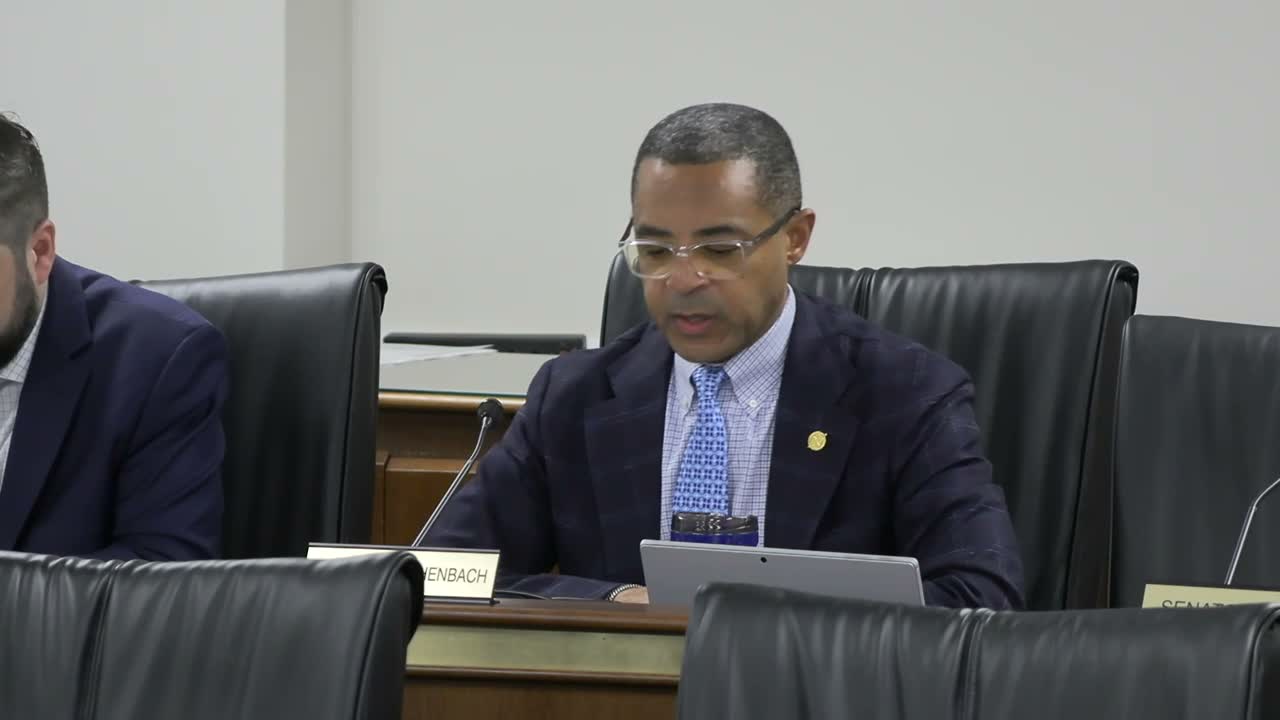
SC Senate Subcommittee Hears Split Testimony on SB540; Panel Carries Bill Over for More Hearings
Loading...
Summary
A subcommittee heard competing testimony for and against SB540, a proposal to clarify that raising a child 'consistent with the child’s sex at birth' does not constitute child abuse. Pediatricians warned the bill could enable harmful conversion practices and complicate foster-care decisions; religious advocates said it protects parental conscience. The committee carried the bill over for another subcommittee session.
A South Carolina Senate subcommittee on Wednesday heard sharply divided testimony over SB540, a proposed change to the state code that would say raising a child “consistent with the child’s sex at birth” does not constitute child abuse.
Dr. Debbie Greenhouse, a pediatrician in Columbia and past president of the South Carolina chapter of the American Academy of Pediatrics, testified in “strong opposition” to the bill, telling the panel the measure is "dangerously vague" and risks "dismantl[ing] the standard of care for one of our most vulnerable patient populations." She told senators that by excluding some refusals of mental-health care from the definition of abuse the bill could, in practice, shield conversion therapies that medical groups have labeled harmful.
The bill’s supporters framed SB540 as a protection for parents. Miles Thompson, director of the South Carolina Catholic Conference, urged the committee to "protect all South Carolina parents from discrimination based on their sincerely held religious beliefs," saying the measure clarifies government—not private—choice and prevents what he described as overreach seen in other states.
Testimony from Dr. Martha Edwards, president of the South Carolina chapter of the American Academy of Pediatrics, echoed Greenhouse’s concerns. Edwards said the bill "limits our ability to protect vulnerable youth" and distracts attention from other urgent child-health issues she listed, including a recent measles outbreak and low vaccination rates.
Senators from multiple districts pressed witnesses about specific scenarios: whether a parent who declines affirming care could be charged with abuse, how courts and the Department of Social Services would evaluate a foster placement if a child expressed gender dysphoria, and whether the bill would allow faith-based foster or adoptive parents to decline certain placements. Witnesses repeatedly answered that assessment of a child’s distress and risk of self-harm should guide any removal or protective action rather than blanket statutory language.
During committee business, a member moved for a favorable report on SB540 and another seconded the motion, but other senators asked to hear more public testimony. The senator who made the favorable-motion withdrew it; the committee then voted to carry the bill over and to schedule another subcommittee meeting to continue taking testimony and to allow further internal discussion.
The committee did not take a final vote on the bill Wednesday; members said they wanted to hear from additional witnesses at the follow-up session.
The subcommittee adjourned after setting the next meeting. The committee record will include additional written testimony submitted by the American Academy of Pediatrics and other groups who participated.