
Indigent defense seeks $1.4 million for technology, flags low collection on $500 fee and debt set-off gains
Get AI-powered insights, summaries, and transcripts
Subscribe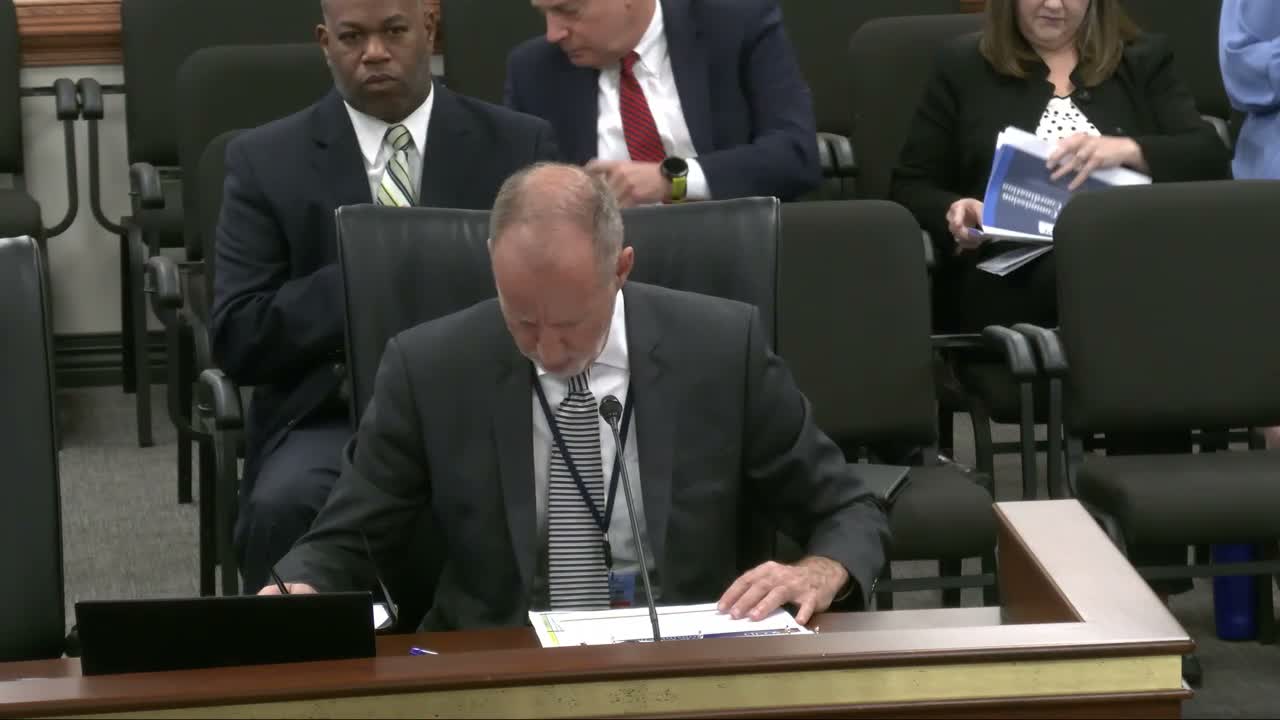
Summary
The public defender system asked for roughly $1.4 million for technology and storage to manage growing digital evidence, reported turnover fell from 41% to 13.5% after prior funding, and highlighted a 30% collection rate on a $500 probation/public defender fee while citing debt set-off enrollment that substantially improved collections in some counties.
The state’s indigent defense agency asked legislators for roughly $1.4 million in technology funding to store and share growing volumes of digital evidence and to improve operational efficiency. The director (identified in the transcript as 'Mister Ron') described rapid growth in digital discovery—body camera footage, jail phone calls, cell-phone extractions—and said additional storage and integrated systems would permit public defenders to retrieve discovery without duplicative downloads.
"There's a need for more storage," the director said, explaining that some solicitors’ offices already use an Axon-type system for body camera evidence and that interoperable access would save time and expense. He requested an increase of $30,714 from DTO for immediate costs and said the total technology ask would be approximately $1,400,000, with a proviso limiting the money to technology uses.
The agency also highlighted a drop in workforce turnover: between fiscal 2019 and 2022 average turnover was 41%, which the director said has fallen to 13.5% after prior pay and recruitment funding. He credited recent investments for improved retention and training programs that provide more than 100 hours of CLE credit.
On fees and collections the director raised concern about the $500 probation/public defender fee, which he said has a collection rate of about 30%. He described corrective steps already taken—improving sentencing-sheet markings from about 58% to over 80%—and said the agency is working with clerks and probation (referred to in the transcript as Triple P) to increase collections while recognizing indigency limits on enforcement. The director cited the Association of Counties’ debt set-off program as an effective tool, offering examples where collection in some counties rose from about $14,000 to roughly $87,000 and then $104,000 after enrollment.
Committee members asked for follow-up on appellate caseload figures and coordination with probation and DOR; presenters said they would provide additional data.