
Committee reports high-school athletics bill favorably after coaches and parents complain of inconsistent enforcement
Get AI-powered insights, summaries, and transcripts
Subscribe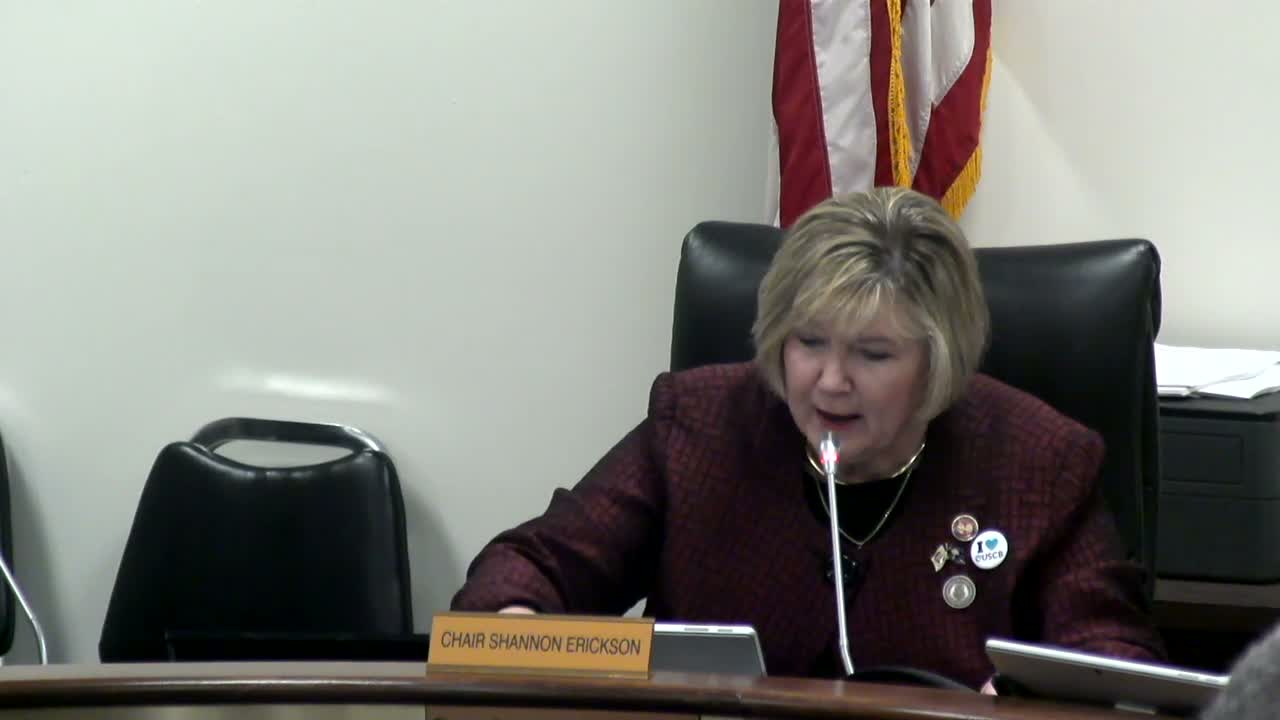
Summary
After hours of testimony from coaches and parents about transfer rules, appeals delays and alleged unequal treatment of charter schools, a legislative committee voted to report H4163 favorably as amended to the next stage.
A legislative committee reported a bill related to high-school athletics (identified in the transcript as H4163) favorably after testimony from coaches, parents and school representatives who urged legislative review of the South Carolina High School League's rules and appeals process.
Larry Church, head volleyball coach at Atlantic Collegiate Academy in Conway, said transfer-eligibility rules are vague and often 'left up to interpretation,' which he said can cost students an entire year of high-school competition. "The enforcement of this rule applies to me specifically because I'm director of an organization that has over 300 kids in our program," Church told the committee, describing cases in which students were ruled ineligible and appeals timelines ran past season deadlines.
Ashley Bowling (introduced in the transcript as 'Ashley Bowling' and later referred to as 'Ms. Bolling') testified on behalf of families at Grey Collegiate Academy. She criticized the High School League's governance and appeals structure, saying the organization "writes its own rules, enforces them, and controls the appeals process" and that inconsistent discipline disproportionately affects charter schools.
Committee members pressed witnesses on who creates and enforces league rules. Church identified several named contacts and layers in the appeals process, saying the initial notification often comes from Charlie Winski and that appeals can pass to Jerome Singleton, an appellate panel and an executive committee. Church and several legislators described the multi-tiered appeals structure as slow and potentially ineffective because season deadlines can expire before appeals are resolved.
A motion was made to report the bill favorably as amended; the committee proceeded with a roll call. The chair announced the committee's report was carried (transcript records the chair calling the result '17 to 0' and later calling it a 'unanimous vote by the members present'). The committee indicated it will move the amended bill forward.
Why it matters: Witnesses framed the issue as one of student welfare, fairness to families and competitive balance. Testimony raised governance questions about an organization that receives public funds yet operates with internal rulemaking and multiple internal appeals layers that witnesses described as lacking independent oversight.
Votes at a glance: Committee reported H4163 'favorably as amended' following a roll call; the chair characterized the vote as unanimous among members present.
What comes next: With the committee's favorable report, the bill will move forward in the legislative process; sponsors and staff will continue to refine language and oversight provisions as part of that process.