
South Carolina hearing on S.867 pits ratepayer protections and environmental review against industry concerns about competitiveness
Get AI-powered insights, summaries, and transcripts
Subscribe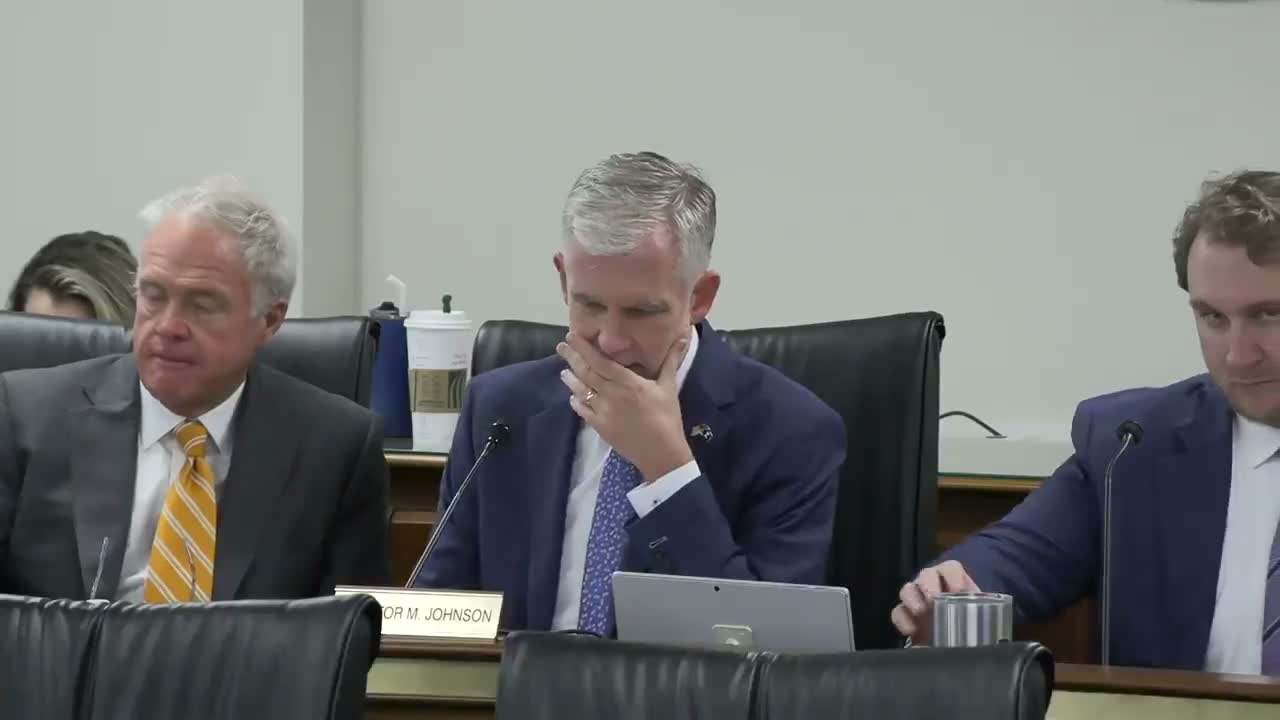
Summary
Lawmakers and witnesses debated S.867, a bill to add state-level permitting and oversight for data center projects. Conservation groups pressed for guardrails to prevent cost shifting and require water and power transparency; industry warned prescriptive rules could deter investment.
The Senate Agriculture and Natural Resources Subcommittee heard hours of testimony on S.867, legislation that would create a new state-level permitting structure and oversight for data center development in South Carolina.
John Brooke, senior vice president of policy and government relations for Conservation Voters of South Carolina, told the committee that data center demand poses immediate risks to the power system and to ratepayers. "A single large data center can consume the same amount of power as an entire city," Brooke said, and he cited utility testimony he said projects that data centers could account for "60 to 70%" of the state's new generation needs. Brooke urged standardized billing and contract terms, stronger Public Service Commission language to prevent speculative requests, and clear water‑use reporting requirements.
Industry witnesses pushed back. Kara Boondern, State Policy Director for the Data Center Coalition, said S.867 would layer a state permit on top of existing local and state approvals and impose inflexible technical standards that could slow projects. "Creating an additional layer of approvals would result in significant delays, putting the state at a competitive disadvantage," Boondern said, adding that rigid water‑use limits could be technically challenging in South Carolina's climate.
Chris Gatch, executive vice president of DC Blocks, described data centers as engines of rural and regional investment, citing an $85 million facility in Myrtle Beach and subsequent fiber and cable infrastructure that attracted further projects. He warned the bill's overlapping review structure "would make South Carolina one of the most heavily regulated states in the country for data center development" and said prescriptive operational standards risked deterring investment.
Municipal and utility witnesses described planning headaches and data gaps. Representatives from Columbia Water and Palmetto Power Cities said some municipalities already host small data facilities and that utilities need planning standards or water‑use metrics to model large, hypothetical requests. Columbia Water recounted a speculative questionnaire that suggested a potential 10,000,000‑gallon‑per‑day request; staff said transmission capacity and location made that particular request infeasible.
Several local government groups asked the legislature to preserve zoning and fee‑in‑lieu authority. Dennis Faciliotis, president of the South Carolina Emerging Technology Association, urged the committee to retain county and municipal control, follow the principle of cost causation for transmission upgrades, and prioritize redevelopment of brownfields and existing industrial sites.
Committee members questioned witnesses about several themes: whether subsidization of large loads is already happening under economic development rates; whether projected power needs are speculative; how to balance competitiveness with ratepayer protection; and the prevalence and terms of fee‑in‑lieu agreements. Witnesses described a range of practices: many modern facilities use closed‑loop refrigerant cooling that requires little ongoing water, larger projects can involve long-term leases and sizable capital outlays, and local fee arrangements vary.
No formal action was taken on S.867 during the hearing. The committee chair invited written technical comments to staff (George or Cassidy) and indicated members would continue drafting and negotiating amendments. The subcommittee adjourned without a vote.
What happens next: Committee members and stakeholders will exchange written suggestions and potential amendments; the bill’s future depends on how lawmakers reconcile consumer‑protection provisions (including reporting, contract transparency and potential PSC involvement) with industry concerns about permitting timelines and prescriptive technical rules.