
Commissioners debate how to comply with new state restroom law; signage and single-occupancy options favored pending guidance
Get AI-powered insights, summaries, and transcripts
Subscribe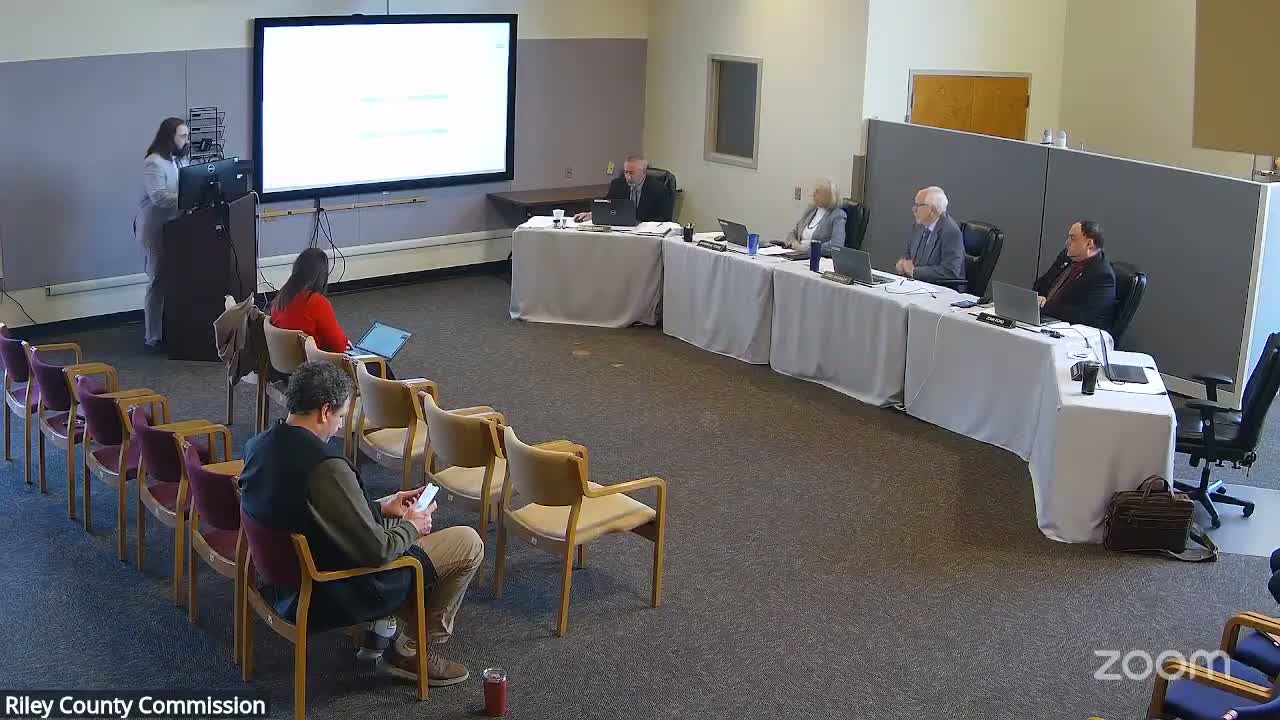
Summary
Raleigh County commissioners discussed implementation of a newly enacted state law about multi-occupancy private spaces, debating whether to convert restrooms to single-occupancy, post statutory signage and seek Attorney General guidance; penalties and the definition of 'reasonable steps' were a central concern.
Raleigh County commissioners spent a substantial portion of their Feb. 19 meeting debating how to implement a recently enacted state law that, as discussed at the meeting, requires public entities to take "every reasonable step" to prevent certain entries into multiple-occupancy private spaces.
Commissioners described the statute as vague on what counts as "reasonable steps" and raised practical questions about compliance in county facilities. Options discussed included converting multi-stall restrooms to single-occupancy, removing gendered signage and replacing it with neutral single-occupancy signs, and posting notices that cite the statute. One commissioner suggested seeking an Attorney General opinion about the county’s obligations and whether the county can be required to pay for law enforcement actions in other jurisdictions.
Speakers at the meeting quoted differing penalty amounts while describing enforcement provisions. One speaker said penalties were on the order of "$100,000 or $5,000," while another cited a structure of "$25,000 for a first violation and $125,000 for subsequent violations," noting that each day a violation persists could be treated as an additional violation. The commission did not reconcile those differing figures during the public session and emphasized that staff will seek clarification.
Commissioners also discussed ADA implications: a speaker noted a specific exemption in the state bill that does not change the county’s obligations under the Americans with Disabilities Act for required accessible stalls. Several commissioners told staff to prepare a short, countywide signage approach for immediate risk reduction while they await legal guidance on longer-term measures.
What happens next: commissioners instructed staff to draft signage and distribute guidance to department heads and to return with more detailed recommendations (and possible legal advice) at a later meeting. The board did not adopt any permanent facility changes during the Feb. 19 open session.